Last updated: August 18, 2026
Last updated: August 2026.
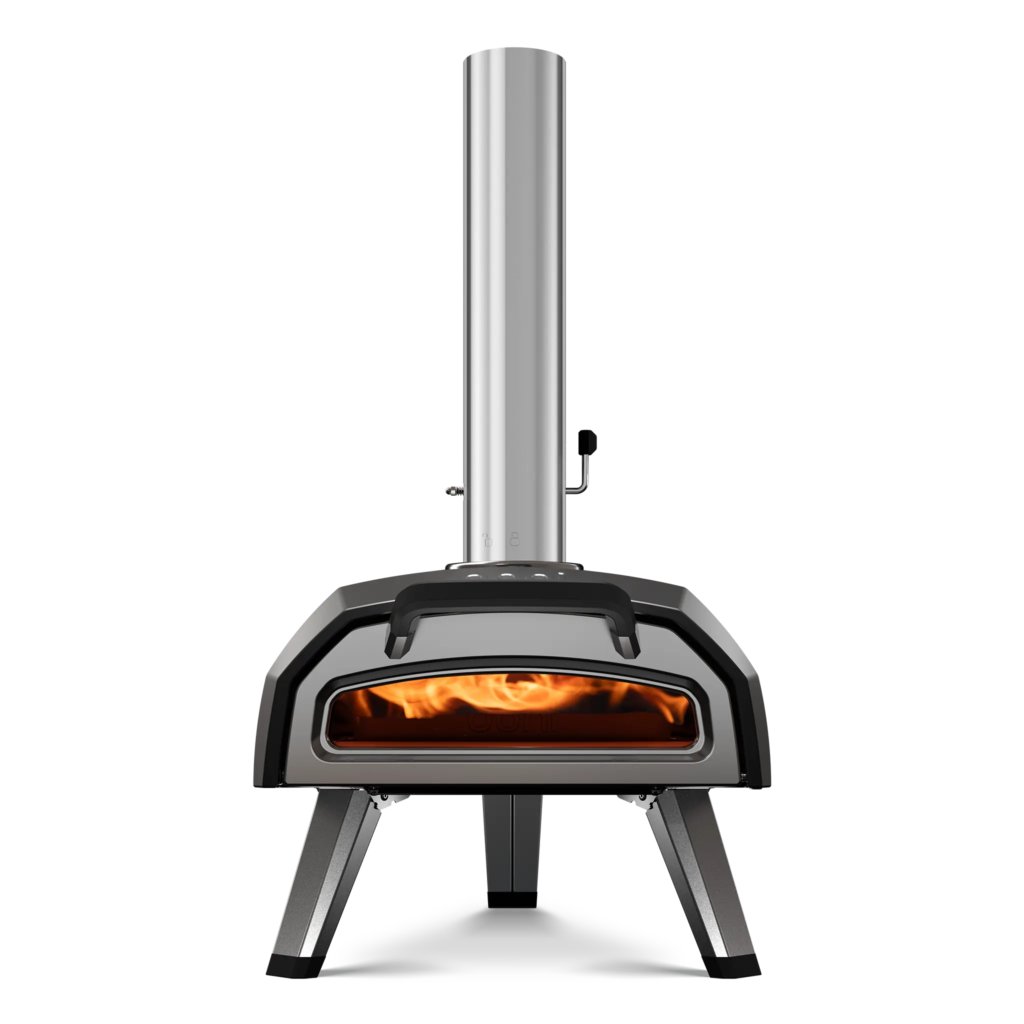
We have cooked extensively on the Ooni Karu 2 since it launched. In our experience it is one of the most versatile pizza ovens at any price point.
This Ooni Karu 2 review is based on hands-on use across wood, charcoal and gas. I wanted to try wood-fired cooking without committing to a larger, heavier oven – and the Karu 2 was the obvious answer. The multi-fuel flexibility was what sold me. The idea of running it on wood when I had time to enjoy the process, then switching to gas when I just needed dinner on the table, felt like the right balance for how I actually cook.
I’ve now run the Karu 2 through well over a dozen sessions, across wood, charcoal, and gas. Here’s my honest take.
What Is the Ooni Karu 2?
The Karu 2 is Ooni’s second-generation multi-fuel portable pizza oven in the 12-inch format. Like the original Karu 12, it burns wood or charcoal as standard and accepts the Ooni gas burner attachment for gas cooking. The main updates over the original are improved insulation using Ooni’s ProCore technology, a new hinged door design with a glass window, and a refreshed exterior.
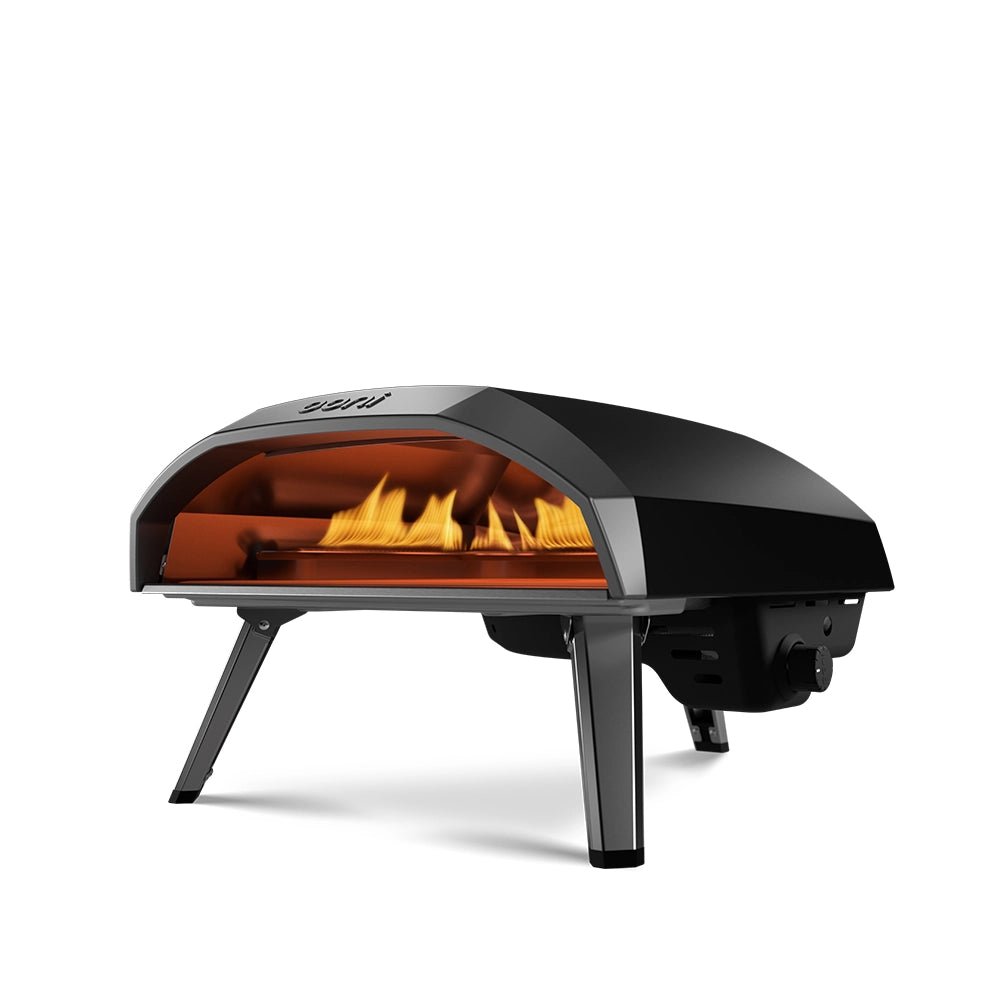
It sits in an interesting spot in the Ooni lineup – more capable than the gas-only Koda 2, but smaller and cheaper than the flagship Karu 16. If you want wood-fired flavor in a genuinely portable package, this is the oven.
Key Specs
- Cooking area: 33 x 33 cm
- Weight: approximately 12.7 kg
- Fuel: wood, charcoal, or gas (gas burner sold separately, around $79)
- Max temperature: 930°F / 932°F
- Preheat time: 15 minutes (gas), 20 to 25 minutes (wood/charcoal)
- Price: approximately $349 to $399
My First Cook – What to Expect
The first wood cook took me longer than I expected to reach temperature. Wood-fired cooking in a small oven is an active process – you’re feeding small pieces of wood every few minutes to maintain heat, not just lighting it and walking away. I burned the base of my first pizza because I hadn’t figured out the hot spot positioning yet.
By cook three or four I’d figured it out. The stone gets to around 430 to 840°F on wood without too much trouble once you get your feeding rhythm right. From there, a Neapolitan-style pizza takes 60 to 90 seconds. The leopard spotting on the crust is the real thing – noticeably different from what a gas-only oven produces at the same temperature.
On gas (with the Ooni burner attached), it’s a much more straightforward experience. 15 minutes to temperature, consistent heat, and you can focus entirely on the pizza rather than managing the fire. I use gas for midweek cooks and wood at weekends when I want the flavor and the experience.
What the Karu 2 Does Well
The new door design is a genuine improvement over the original Karu. The hinged door with the glass panel lets you see what’s happening inside without fully opening it and losing heat – something that frustrated me about older single-door designs. It still fogs up after a few cooks, but you can wipe it down easily enough.
The ProCore insulation makes a noticeable difference to heat retention. Once this oven is up to temperature, it holds it well. If you open the door briefly to turn a pizza, it recovers quickly rather than dropping significantly.
Portability is legitimate. At 12.7 kg it’s not ultralight, but the legs fold down and it fits in a car boot without much fuss. I’ve taken it to a couple of garden parties and it’s held up fine.
What to Watch Out For
The 12-inch cooking area is the main constraint. You’re limited to roughly 30 cm pizzas, which works fine for one or two people but slows things down considerably if you’re cooking for four or more. Each pizza takes 60 to 90 seconds, but the gap between pizzas adds up.
Wood cooking has a real learning curve. If you’re expecting it to be as simple as gas, it won’t be – at least not for the first few sessions. The wood-feeding rhythm takes practice, and you’ll likely burn or undercook a pizza or two while you calibrate. That’s part of the process, but it’s worth knowing upfront.
The gas burner is sold separately. At around $79, it’s a meaningful addition to the purchase price. If you know you’ll mostly be cooking on gas, the Koda 2 is cheaper and simpler. The Karu 2 only makes sense if you genuinely want the wood option.
Karu 2 vs Karu 16
If you’re deciding between the two, the main differences are size, weight, and price. The Karu 16 has a much larger cooking area (40 cm stone), weighs considerably more, and costs significantly more. It’s a better oven in almost every measurable way, but it’s not portable in the same sense – it lives in the backyard rather than going anywhere.
For cooking for two or occasionally four people, the Karu 2 is the right call. If you’re regularly cooking for a group or want the largest possible stone, step up to the Karu 16.
Karu 2 vs Karu 12
Not sure whether to go for the Karu 2 or the older Karu 12? The Karu 2 brings a bigger viewing window, improved insulation and a better seal — but the Karu 12 is often available at a lower price as a result. We’ve done a full Ooni Karu 2 vs Karu 12 comparison if you want the full breakdown before deciding.
Verdict
The Ooni Karu 2 is the best option if you want multi-fuel flexibility in a portable 12-inch oven. The wood-fired results are genuinely better than gas at the same temperature – there’s a smokiness and char to the crust that you can’t replicate with gas alone. The learning curve on wood is real, but once you’re past it the oven is satisfying to cook on.
If you want simplicity above all else, go Koda 2 or Koda 16. If you want the wood option and don’t need a stone larger than 12 inches, the Karu 2 is hard to beat at the price.
Related reading
Gear mentioned in this article (paid links)

About Ian Armstrong
I'm Ian Armstrong, a home cook and pizza oven obsessive based in the UK. Over the past four years I've owned and cooked on a Gozney Roccbox, Ooni Karu, Ooni Koda, and Gozney Arc — putting each one through real-world use in my back garden across all seasons, not just ideal summer conditions. I test dough hydration, preheat times, fuel efficiency, and how each oven handles everything from Neapolitan pizza to sourdough bread and Sunday roasts. Everything on Wood Fired Pizza Gear comes from hands-on experience. No sponsored placements, no guesswork — just honest assessments from someone who's burned a lot of dough getting it wrong so you don't have to.