Last updated: August 17, 2026
Last updated: August 2026.
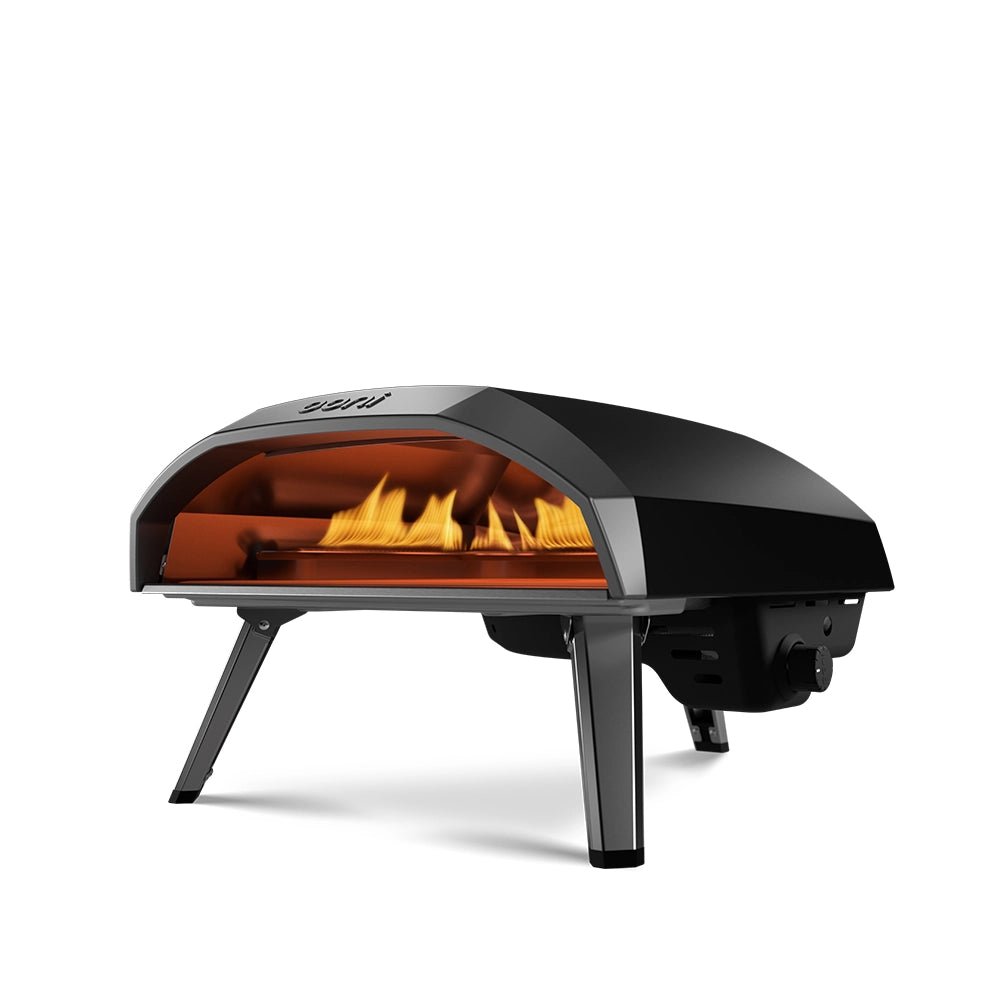
This Ooni Koda 2 review covers real performance, not just specs. The Koda 2 is Ooni’s compact gas-only oven, and it’s the one I’d recommend to someone who wants an uncomplicated introduction to pizza oven cooking. No wood management, no charcoal, no separate burner purchase – just connect the gas, wait 20 minutes, and start cooking. I’ve cooked on it extensively and it delivers consistent results every time.
It won’t give you the smoky wood-fired character of a multi-fuel oven, but for a lot of people – including me on busy weeknights – that’s not what they’re after. Here’s what I’ve learned from running the Koda 2 through a full season of cooking.
What Is the Ooni Koda 2?
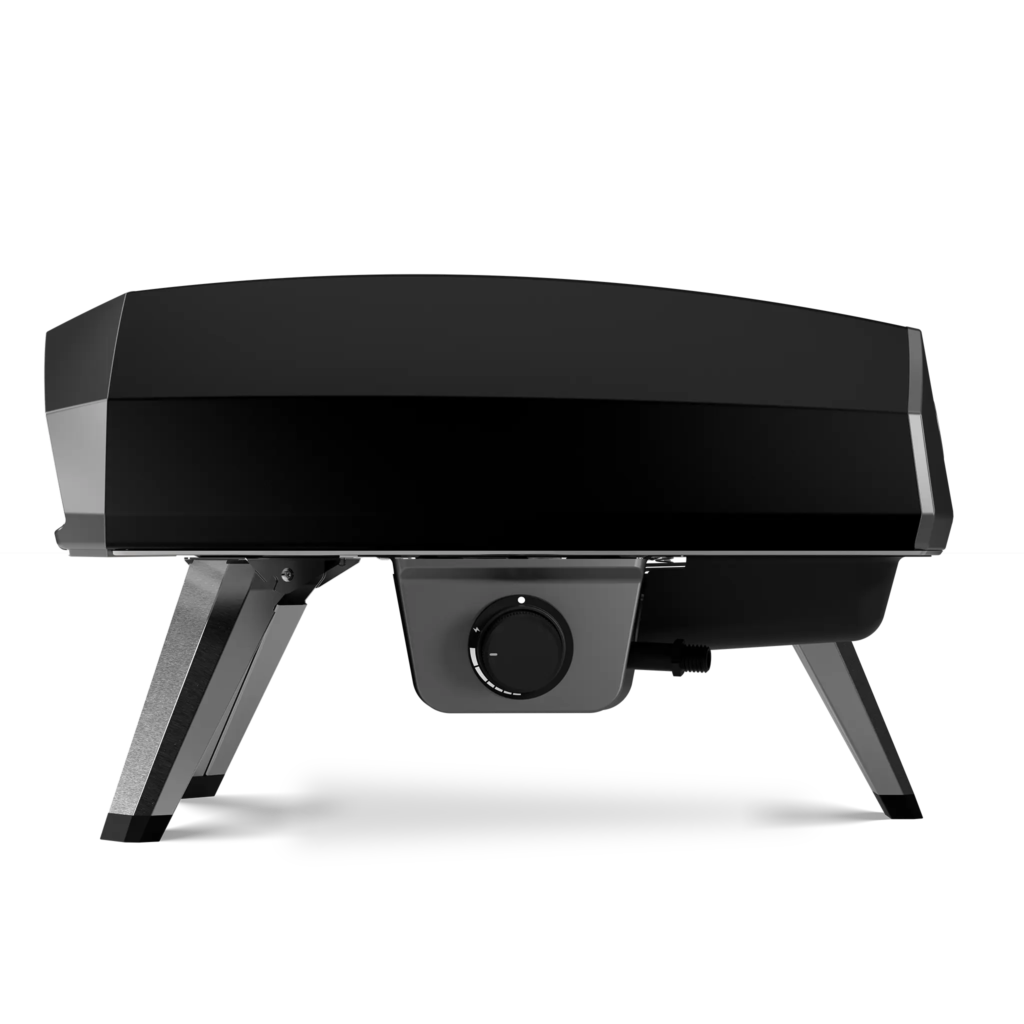
The Koda 2 is Ooni’s updated version of their entry-level gas pizza oven. It runs on propane or butane and has a 30 cm cordierite stone – slightly smaller than the 33 cm stone in the Karu 2, but large enough for a proper 28 to 30 cm pizza. The redesign over the original Koda 12 includes a new flame keeper door, a revised burner design, and a slightly more compact footprint.
Key Specs
- Cooking area: 30 x 30 cm stone
- Weight: 9.6 kg
- Fuel: gas only (propane or butane)
- Max temperature: 840°F / 842°F
- Preheat time: 20 minutes
- Price: approximately $299 to $349
How It Cooks in Practice
The first thing I noticed is how reliable the heat-up is. Connect the gas, light it, and 20 minutes later the stone is reading 430 to 840°F on the infrared thermometer. Every session. There’s no variability from wind conditions or fuel quality – you just get consistent heat.
At that temperature, a Neapolitan-style pizza takes around 60 to 90 seconds. The burner is positioned at the back, which creates a hot zone at the rear of the stone, so you need to rotate the pizza once or twice during the cook – roughly every 20 to 30 seconds once you’ve launched it. That becomes second nature after a few cooks. My first few pizzas were unevenly done until I figured out the rotation timing, but it’s a quick learning curve compared to wood.
The flame keeper door is a useful addition. It clips onto the front of the oven to retain heat between cooks, which means the stone stays hot even when you’re loading a new pizza. I didn’t expect this to matter much, but it makes a real difference when cooking back-to-back pizzas – less waiting between rounds.
What the Koda 2 Does Well
Simplicity is the main thing. If you’ve never used a pizza oven before, the Koda 2 removes most of the variables. You’re not managing a fire or learning to read the color of wood flames – you’re just cooking pizza. For someone who wants good results from the first session, this is the right starting point.
The weight is another strong point. At 9.6 kg it’s noticeably lighter than the Karu 2 or Koda 16. I’ve taken it camping and to a couple of outdoor gatherings without it being a hassle. The compact footprint also helps – it doesn’t dominate a small backyard table the way larger ovens do.
Crust quality at 840°F is genuinely good. You get proper color on the base, blistering on the cornicione, and a cooked-through interior – the things that matter most for a proper pizza. It’s not quite the same result as an oven running on wood at 930°F, but the gap is smaller than you’d expect from the price difference.
What to Watch Out For
The 30 cm stone is the main limitation. You’re cooking smaller pizzas than you would on a Koda 16 or Karu 16, which slows things down when cooking for more than two people. Four people means four separate cooks, and the gaps between pizzas add up.
It’s gas only – there’s no option to add a wood or charcoal burner later. If you think you might want the wood-fired experience eventually, the Karu 2 is a better buy even at the higher price. The Koda 2 is excellent at what it does, but what it does is specifically gas cooking.
The rotation requirement catches some people out. Unlike larger ovens with more even heat distribution, the back-burner design means rotating your pizza is non-negotiable. It’s easy once you know to do it, but anyone expecting to launch a pizza and come back to find it done will be disappointed.
Koda 2 vs Koda 16
The Koda 16 is the oven most serious home cooks end up with, and there’s a good reason for that. The larger stone, the L-shaped flame that wraps around the pizza, and the better temperature ceiling make it a meaningfully better cooking tool. But it costs significantly more and it’s heavier.
The Koda 2 makes sense if you’re buying your first pizza oven, cooking mostly for one or two people, or need something genuinely portable. If you’re cooking for a family regularly and budget allows, I’d stretch to the Koda 16.
Verdict
The Ooni Koda 2 is a well-made, easy to use gas pizza oven that delivers reliable results from the first cook. The simplicity is the point – no fire management, no separate burner purchase, no learning curve beyond the pizza rotation. If you’re new to pizza ovens or want something low-maintenance, this is a strong choice at the price.
Just be clear about what you’re buying: a compact gas oven with a 30 cm stone. If you want wood-fired flavor or a bigger cooking surface, look at the Karu 2 or step up to the Koda 16.
Related reading
Gear mentioned in this article (paid links)

About Ian Armstrong
I'm Ian Armstrong, a home cook and pizza oven obsessive based in the UK. Over the past four years I've owned and cooked on a Gozney Roccbox, Ooni Karu, Ooni Koda, and Gozney Arc — putting each one through real-world use in my back garden across all seasons, not just ideal summer conditions. I test dough hydration, preheat times, fuel efficiency, and how each oven handles everything from Neapolitan pizza to sourdough bread and Sunday roasts. Everything on Wood Fired Pizza Gear comes from hands-on experience. No sponsored placements, no guesswork — just honest assessments from someone who's burned a lot of dough getting it wrong so you don't have to.