Last updated: August 12, 2026
Last updated: August 2026. This post contains affiliate links — if you buy through them I earn a small commission at no extra cost to you. Full disclosure.
We have burned the base while keeping the top undercooked more times than we would like. In our experience it is always a stone temperature issue.
This pizza base burning in pizza oven guide breaks down what actually matters, based on real use.
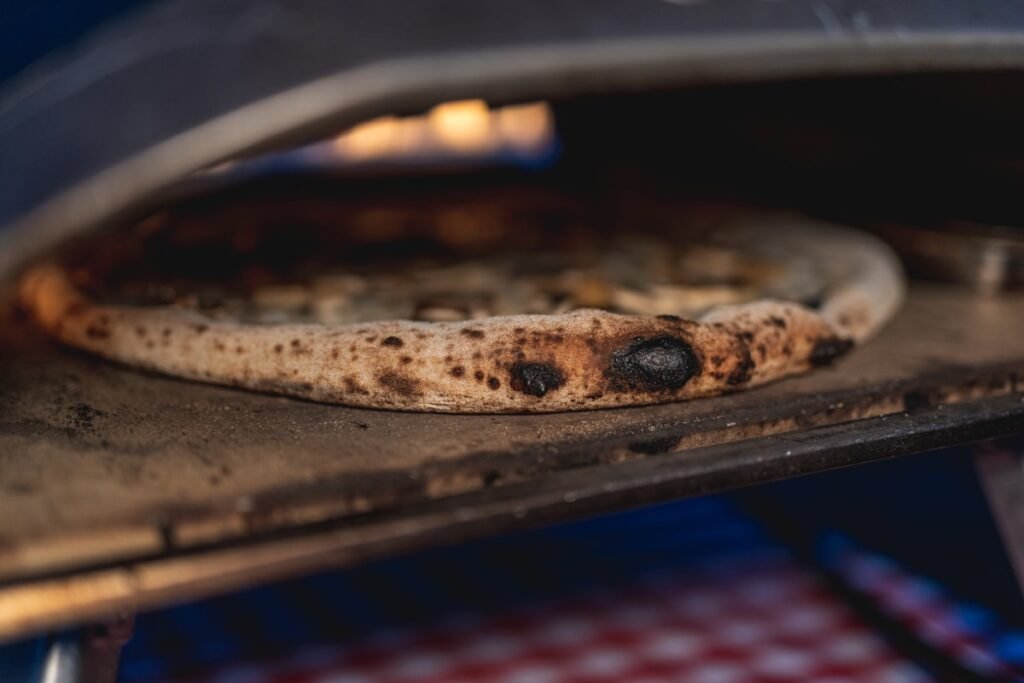
A burning base while the top of the pizza is still undercooked is a heat management problem. In a properly running pizza oven, the stone temperature and ambient air temperature work together to cook the base and top at the same rate. When they’re out of balance, the base gets too much heat before the top is done. Here’s how to diagnose and fix it.
The Stone Is Too Hot
The most common cause. If you launch a pizza onto a stone that’s above 430-840°F, the base will burn before the top has time to cook. This happens most often when the oven has been running for a long time on full heat, or when cooking multiple pizzas in a row without letting the stone temperature stabilise.
Use an infrared thermometer to check the stone temperature before each launch. For Neapolitan-style pizza, aim for 380-810°F on the stone. For a longer cook (New York style, Detroit), drop to 300-660°F. If the stone reads too high, wait 2-3 minutes before launching and check again.
You’re Not Turning the Pizza
In a wood-fired or gas pizza oven, the heat source is at the back or side. Without turning, the edge nearest the flame cooks far faster than the rest of the base – leading to burning on one side. Neapolitan pizza cooks in 60-90 seconds and needs rotating every 15-20 seconds. Use a turning peel to spin the pizza a quarter turn at a time.
The Flame Is Too Low
In a well-balanced pizza oven, the rolling flame overhead cooks the top of the pizza at the same time the stone cooks the base. If your flame is too low – because you haven’t stoked the fire enough or the gas is turned down – the top of the pizza won’t cook fast enough, and the base will sit on the hot stone for too long. Keep a lively flame rolling over the top of the pizza during the cook.
The Pizza Is Too Thin in the Middle
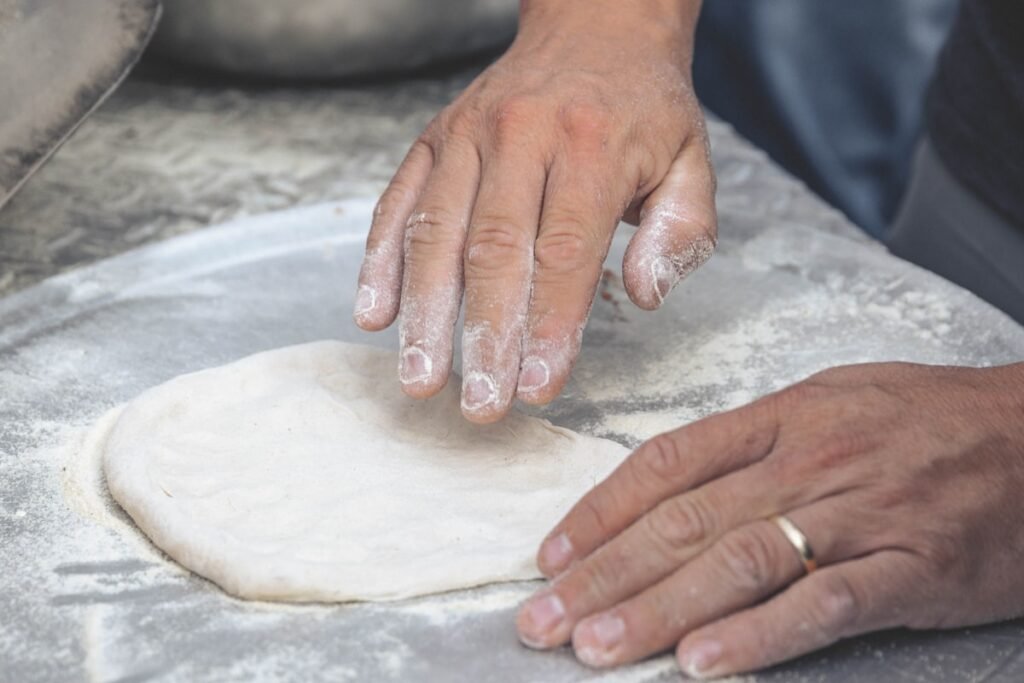
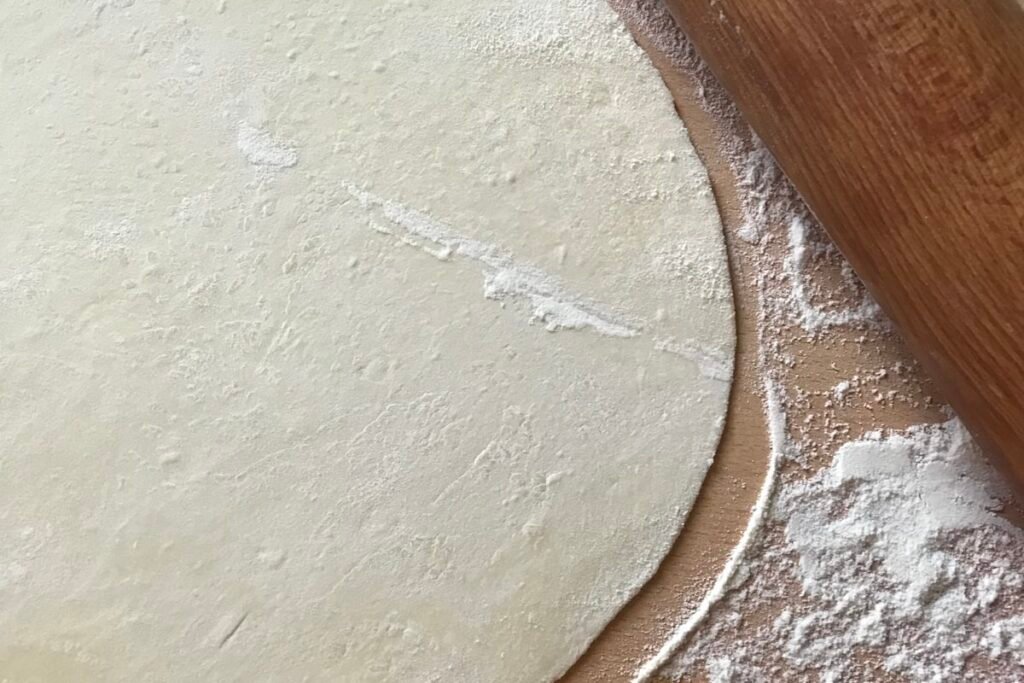
If the dough is stretched unevenly and the center is very thin, it will burn through before the thicker edges are cooked. Practice stretching the dough evenly. The center should be roughly the same thickness as the rest of the base – around 3-4mm for Neapolitan style.
Too Much Sugar in the Dough
Sugar caramelises and burns quickly at high temperatures. Some dough recipes include a small amount of sugar, but at 750°F+ even a teaspoon can cause premature browning. Standard Neapolitan dough uses only flour, water, salt, and yeast – no sugar, no oil. If your recipe includes sugar and you’re getting burning, try removing it.
Quick Fixes
- Check stone temp with an infrared thermometer before each pizza – aim for 380-810°F
- Turn the pizza every 15-20 seconds using a turning peel
- Keep the flame active throughout the cook
- Stretch the dough to an even thickness
- Remove sugar from your dough recipe if you’re using high heat
- If burning persists between pizzas, lift the pizza slightly off the stone using the peel for the last 10-15 seconds of the cook
The Role of Flour and Sugar in the Dough
If you are wondering why is my pizza base burning before the top cooks, the cause is almost always too much heat from below. Doughs with added sugar (or enriched with honey, milk, or oil) brown faster than plain Neapolitan doughs because the sugars caramelise at lower temperatures. A standard Neapolitan dough – flour, water, salt, yeast – can handle 450-930°F without the base scorching in the time it takes the top to cook. A dough recipe designed for a domestic oven that includes sugar or oil will burn at those temperatures before the top is ready. If your recipe has added sugar, use it only at lower temperatures (280-610°F) and extend the cook time accordingly.
Dirty Stone or Floor
Burnt flour, semolina residue, and food debris on the oven stone trap heat and create hotspots that char the base unevenly. Before each cook session, brush the oven floor with a long-handled brush to clear any residue from previous pizzas. If the stone has significant buildup, let it heat up fully and then brush – the high temperature turns most residue to ash which brushes away cleanly. A clean floor gives even contact between the dough and the stone surface, preventing localised hot spots.
Keeping the Fire to One Side
In a wood-fired oven, the area directly under and immediately around the fire is hottest. If you cook your pizza directly under the flames or too close to the fire, the base will burn before the top cooks through. Push the fire to one side and cook on the opposite side of the oven floor, rotating the pizza every 20-30 seconds so each part of the base gets even exposure to the reflected heat from the dome rather than the direct heat from the fire. If you’re getting consistent burning on one side of the base, that side is closest to the fire – rotate more frequently and move the pizza further away. See also our guide to how much wood to use in a pizza oven for tips on fire management.
Gear mentioned in this article (paid links)

About Ian Armstrong
I'm Ian Armstrong, a home cook and pizza oven obsessive based in the UK. Over the past four years I've owned and cooked on a Gozney Roccbox, Ooni Karu, Ooni Koda, and Gozney Arc — putting each one through real-world use in my back garden across all seasons, not just ideal summer conditions. I test dough hydration, preheat times, fuel efficiency, and how each oven handles everything from Neapolitan pizza to sourdough bread and Sunday roasts. Everything on Wood Fired Pizza Gear comes from hands-on experience. No sponsored placements, no guesswork — just honest assessments from someone who's burned a lot of dough getting it wrong so you don't have to.