Last updated: August 12, 2026
Last updated: August 2026. This post contains affiliate links — if you buy through them I earn a small commission at no extra cost to you. Full disclosure.
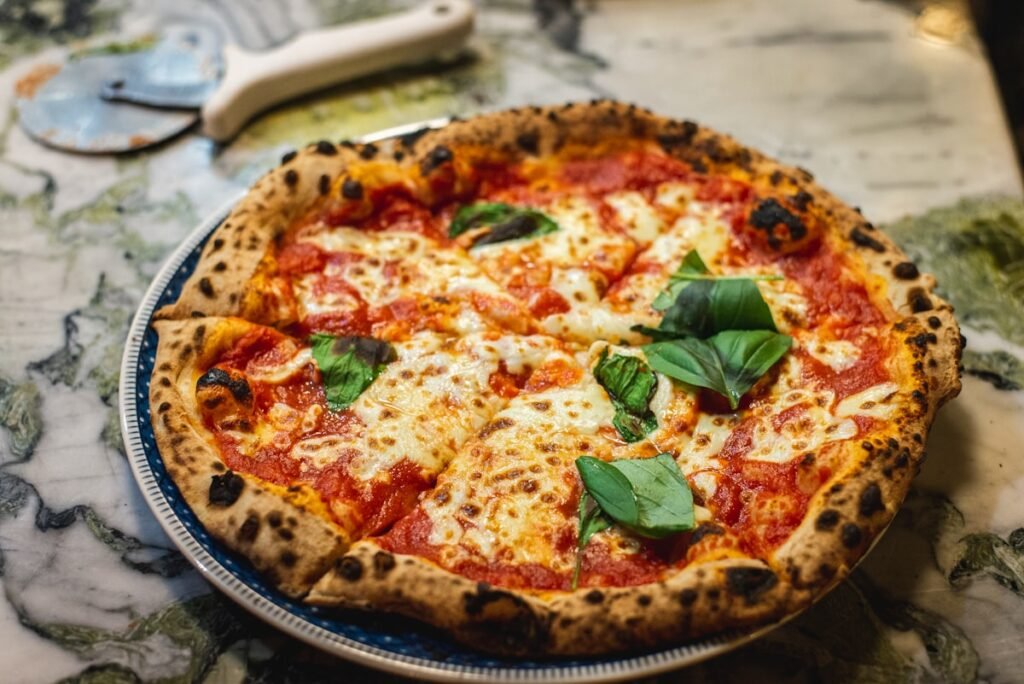
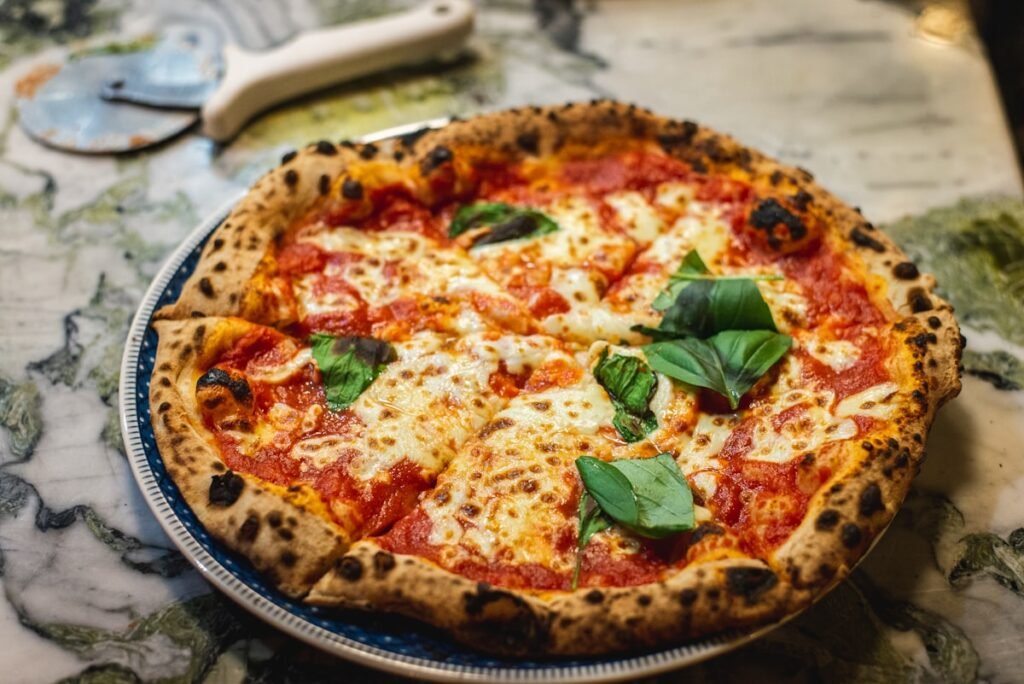
We have cooked margherita pizza hundreds of times and consider it the best test of a pizza oven setup. When the fundamentals are right, nothing beats a simple margherita.
The margherita is what we make to test a new batch of dough or a new oven. It’s our reference point for everything else – and this recipe is the version we’ve been making for years.
The margherita is what we make to test a new batch of dough or a new oven. It’s the reference point – and this recipe is the version we’ve been making for years.
This margherita pizza recipe is straightforward once you have got the technique down.
A margherita pizza is the foundation of everything. Get this right and every other pizza you make will be better for it. The best margherita uses just three toppings – tomato, mozzarella and basil – and relies entirely on quality ingredients and a properly hot oven.
Ingredients (makes 2 pizzas)
For the Dough
- 300g 00 flour
- 195ml warm water
- 4g fast-action dried yeast
- 6g fine salt
- 1 tsp sugar
- 1 tbsp olive oil
For the Topping
- 200g good quality passata or tinned San Marzano tomatoes, crushed by hand
- 125g fresh mozzarella (fior di latte or buffalo)
- Fresh basil leaves
- Extra virgin olive oil
- Pinch of sea salt
Make the Dough
Mix the yeast and sugar into the warm water and leave for 5 minutes until frothy. Combine the flour and salt in a large bowl. Pour in the yeast mixture and olive oil, then mix until a rough dough forms. Knead for 10 minutes until smooth and elastic.
Divide into 2 equal balls, place on a floured tray, cover and refrigerate overnight (or rise at room temperature for 2 hours if cooking same day). For the full method and tips, see our pizza dough recipe.
Make the Tomato Sauce
The sauce for a margherita should be uncooked – this is important. Simply crush the tinned tomatoes by hand or blitz passata with a pinch of salt and a drizzle of olive oil. That’s it. No cooking, no garlic, no herbs in the sauce. The heat of the pizza oven does all the work. For a full recipe and variations, see our pizza sauce recipe.
Prepare the Mozzarella
This step is often skipped but makes a real difference. Tear the mozzarella into pieces and lay them on kitchen paper. Pat dry and leave to drain for 20-30 minutes. Wet mozzarella releases water during cooking and makes the pizza soggy. Draining it properly means you get creamy, melted cheese rather than a watery pool.
Preheat the Pizza Oven
Light your pizza oven and preheat to 450-930°F. The stone floor should be at full temperature before you launch the pizza. Use an infrared thermometer to check the stone temperature – aim for 430-900°F on the stone surface. This takes around 15-20 minutes on gas, 25-35 minutes on wood.
Stretch the Dough
Remove a dough ball from the fridge 30-60 minutes before cooking. On a lightly floured surface, press the ball flat with your fingertips, pushing from the center out. Leave a thicker rim for the crust. Then lift the dough and stretch it gently over your knuckles, rotating as you go, until you have a 10-12 inch round. For full technique, read our guide on how to stretch pizza dough.
Place the stretched dough on a lightly floured or semolina-dusted pizza peel.
Top the Pizza
Work quickly once the dough is on the peel – it will start to stick if you leave it too long.
- Spoon 80-100g of tomato sauce onto the dough and spread thinly, leaving a 2cm border
- Scatter the drained mozzarella pieces evenly across the sauce
- Add a small pinch of sea salt
- Do not add the basil yet – it goes on after cooking
Cook the Pizza
Slide the pizza off the peel and onto the hot stone in one confident motion. In a pizza oven at 450-930°F, the margherita will be done in 60-90 seconds. Watch it carefully – the crust will puff and char slightly, the cheese will bubble and the tomato will darken.
Rotate the pizza 180 degrees after 30-40 seconds if one side is cooking faster. Use your peel to check the base – it should be golden and slightly charred in spots.
Finish and Serve
Remove the pizza to a board or wire rack. Immediately tear fresh basil leaves over the top and drizzle with good extra virgin olive oil. Serve straight away – pizza is at its best in the first 2-3 minutes out of the oven.
Tips for the Perfect Margherita
- Use San Marzano tomatoes if you can find them. They’re sweeter and less acidic than standard tinned tomatoes.
- Buffalo mozzarella has more flavor than fior di latte but is wetter – always drain it thoroughly.
- Less is more with toppings. The margherita is a lesson in restraint.
- Don’t cook the basil – add it fresh after the pizza comes out. Cooked basil turns black and bitter.
- A hot oven is non-negotiable. The difference between a pizza cooked at 570°F and one cooked at 900°F is not subtle.
Also see our guide to the best mozzarella for pizza and best pizza peels.
Why the Margherita Is the Ultimate Test of Technique
The margherita’s simplicity is deceptive – with only three or four ingredients on top, there’s nowhere to hide. A poorly stretched base, an over-wet sauce, or low-quality cheese are immediately obvious in a way they wouldn’t be on a pizza loaded with toppings. That’s precisely what makes the margherita such a useful benchmark. Once you can consistently produce a light, charred, properly crisp margherita, every other pizza becomes easier.
Temperature is everything. The margherita is designed for extreme heat – 450-930°F in a Neapolitan wood-fired oven – where the cornicione puffs and chars in 60 to 90 seconds. At the temperatures most portable ovens reach, you’re aiming for 750°F on the stone for a two-minute bake. Lower than that and the crust won’t develop properly. If you’re finding your base isn’t cooking evenly, check our guide on how long to preheat a pizza oven – the stone temperature matters more than anything else.
Gear mentioned in this article (paid links)

About Ian Armstrong
I'm Ian Armstrong, a home cook and pizza oven obsessive based in the UK. Over the past four years I've owned and cooked on a Gozney Roccbox, Ooni Karu, Ooni Koda, and Gozney Arc — putting each one through real-world use in my back garden across all seasons, not just ideal summer conditions. I test dough hydration, preheat times, fuel efficiency, and how each oven handles everything from Neapolitan pizza to sourdough bread and Sunday roasts. Everything on Wood Fired Pizza Gear comes from hands-on experience. No sponsored placements, no guesswork — just honest assessments from someone who's burned a lot of dough getting it wrong so you don't have to.