Last updated: August 12, 2026
Last updated: August 2026. This post contains affiliate links — if you buy through them I earn a small commission at no extra cost to you. Full disclosure.
We have made pizza sauce hundreds of times across different oven types. Our view is that less cooking, not more, produces the best result for wood-fired pizza.
This is the pizza sauce we make every session. We’ve tested a lot of variations and this is what we keep coming back to – simple, quick, and it holds up at high temperature.
This is the pizza sauce we make every session. We’ve tried a lot of variations and this recipe is what we keep coming back to – simple, quick, and it works at high temperature.
This best pizza sauce recipe is straightforward once you have got the technique down.
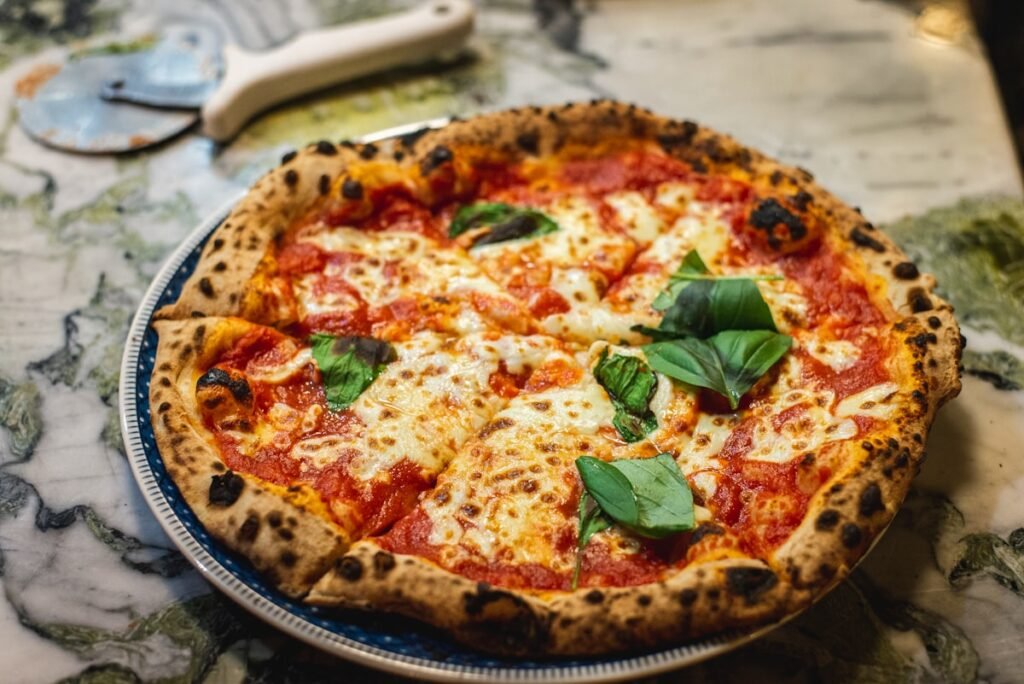
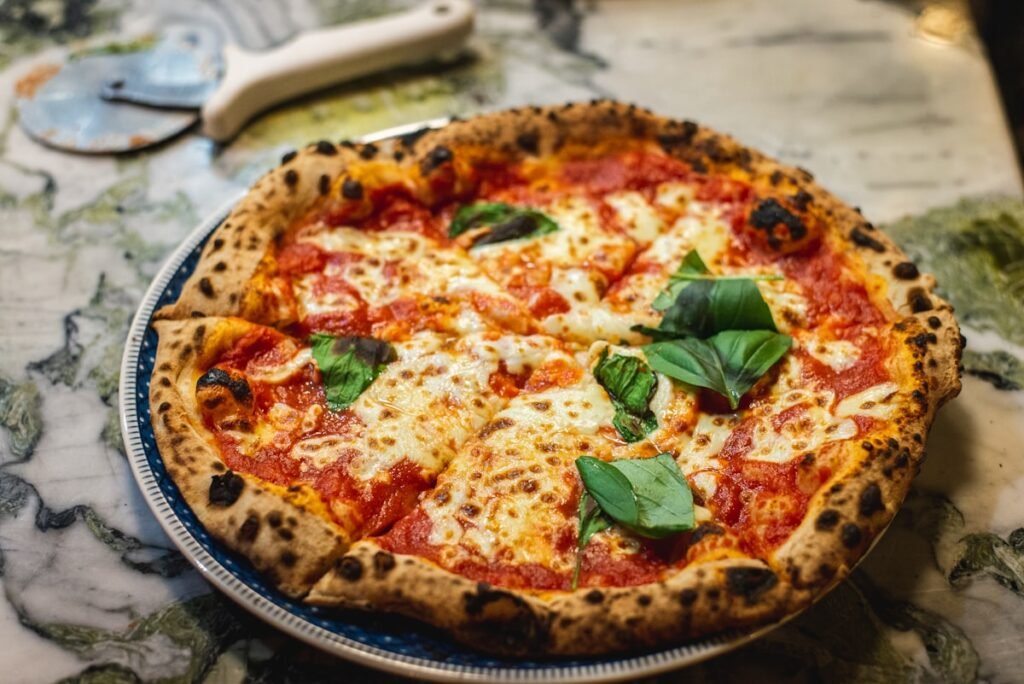
A good pizza sauce is simple, quick, and transforms a pizza. The key principle of Neapolitan pizza sauce is that it’s not cooked before going on the pizza – it’s a raw crushed tomato sauce that cooks in 90 seconds inside the oven. Cooking it beforehand concentrates it too much and removes the fresh, bright flavor that makes it work.
The Classic Neapolitan Pizza Sauce
Ingredients (Enough for 4 Pizzas)
- 1 x 400g tin of good quality San Marzano tomatoes (or best quality whole plum tomatoes you can find)
- ½ tsp fine salt
- A few fresh basil leaves (optional)
- 1 tbsp extra virgin olive oil (optional)
Method
Open the tin and pour the tomatoes into a bowl. Crush them by hand – squeeze each tomato to break it down into a chunky pulp. Remove any tough core pieces or skin if you find them. Add salt and stir. That’s it. Do not blend, do not cook, do not add anything else unless you want to. The sauce should be thick enough to spread but loose enough to flow slightly – if it’s too watery, pour off some liquid before using.
Apply a thin layer to the pizza base with the back of a spoon, spreading in a circular motion from the center outward. Leave a 2cm border for the cornicione. Less sauce than you think – about 60-80ml per 12-inch pizza.
Choosing the Right Tomatoes
The quality of your tinned tomatoes matters more here than in a cooked sauce. San Marzano tomatoes (grown in the volcanic soil near Naples) are the gold standard – they’re sweeter, less acidic, and have thicker flesh with fewer seeds. Look for “Pomodoro San Marzano dell’Agro Sarnese-Nocerino DOP” on the label for the real thing.
Good US alternatives: Mutti Polpa (finely chopped, works well), Cirio Peeled Plum Tomatoes, or any whole plum tomatoes labelled “San Marzano style.” Avoid chopped tomatoes in juice – they’re waterier and have a sharper flavor. Whole tinned plum tomatoes that you crush yourself give the best texture.
Why Not Cook the Sauce?
At 840°F, your pizza cooks in 60-90 seconds. The tomato sauce placed directly on the dough hits intense heat immediately and cooks through fully in that time. Pre-cooking concentrates the tomato, dulls the bright acidity that gives Neapolitan sauce its character, and can make the sauce too sweet. The Associazione Verace Pizza Napoletana specifically prohibits pre-cooked sauce in authentic Neapolitan pizza.
The exception is lower-temperature cooking – if you’re cooking Detroit style, New York style, or in a domestic oven at 220-480°F where the pizza takes 8-12 minutes, a briefly cooked sauce (5 minutes in a pan with garlic and olive oil) works better, as the longer cooking time risks the raw sauce becoming too acidic.
Variations
Garlic and Olive Oil Base (Aglio e Olio)
For white pizzas (no tomato), the simplest base is a drizzle of good extra virgin olive oil, a thin smear of very finely minced or grated garlic, and a pinch of salt. This is the base used for clam pizza, mushroom pizza, and any topping where tomato would clash.
Cooked Tomato Sauce (For Lower-Temperature Cooking)
Warm 2 tbsp olive oil in a pan over medium heat. Add 1-2 cloves of minced garlic and cook for 30 seconds. Add the crushed tomatoes and simmer for 10-15 minutes until slightly thickened. Season with salt and a pinch of sugar if the tomatoes are sharp. Use for New York style, Detroit, or domestic oven pizza.
Fresh Tomato Sauce (Late Summer)
When good ripe tomatoes are in season (July-September), halve them and squeeze out the seeds, then crush by hand as you would tinned tomatoes. The flavor of ripe fresh tomatoes in season is better than any tinned alternative. Outside of peak season, stick with good quality tinned.
Storage
Leftover pizza sauce keeps in the fridge for 5-6 days in a sealed container. It also freezes well – freeze in ice cube trays and transfer to a bag once frozen, so you can defrost individual portions. One or two cubes is typically enough for one pizza.
For the full pizza recipe this sauce is used in, see our Margherita pizza recipe and Neapolitan pizza dough recipe.Sauce Variations Worth Exploring
Tomato sauce is the classic base, but once you’re comfortable making it, it’s worth experimenting with alternatives that open up a whole new range of pizzas. A simple white sauce – béchamel made with butter, flour, and whole milk, seasoned with nutmeg and black pepper – works beautifully under mushrooms, chicken, or wilted spinach. It’s richer than tomato and pairs well with stronger cheeses like taleggio or fontina.
Pesto makes an excellent no-cook base for pizzas cooked at lower temperatures. Spread it thinly so it doesn’t burn, then top with mozzarella, cherry tomatoes, and fresh basil added after baking. It’s particularly good in summer when fresh basil is abundant. For something with a kick, a simple arrabbiata – your basic tomato sauce with a generous amount of dried chilli and extra garlic – adds heat without complicating the flavor profile.
Garlic and olive oil is one of the most underrated bases of all. Thin slices of garlic cooked briefly in good olive oil, spread over the dough before any other toppings, creates a base that’s intensely savoury. It’s the foundation of a classic aglio e olio pizza and works especially well with broccoli, anchovies, or just good mozzarella. Our margherita recipe is a good starting point for seeing how a simple tomato sauce shines when quality ingredients do the work.
Gear mentioned in this article (paid links)

About Ian Armstrong
I'm Ian Armstrong, a home cook and pizza oven obsessive based in the UK. Over the past four years I've owned and cooked on a Gozney Roccbox, Ooni Karu, Ooni Koda, and Gozney Arc — putting each one through real-world use in my back garden across all seasons, not just ideal summer conditions. I test dough hydration, preheat times, fuel efficiency, and how each oven handles everything from Neapolitan pizza to sourdough bread and Sunday roasts. Everything on Wood Fired Pizza Gear comes from hands-on experience. No sponsored placements, no guesswork — just honest assessments from someone who's burned a lot of dough getting it wrong so you don't have to.