Last updated: August 18, 2026
Last updated: August 2026. This post contains affiliate links — if you buy through them I earn a small commission at no extra cost to you. Full disclosure.
We’ve cooked on both the Ooni Karu 2 and the Karu 16 extensively, and the choice between them comes down to one thing more than anything else: how big do you cook, and do you need to move the oven around? Get that answer right and the rest follows. Here’s our honest side-by-side breakdown.
Karu 2 vs Karu 16: Quick Verdict
The Karu 2 is our pick if you want portability and the full multi-fuel experience in a compact package. At $599 it hits a sweet spot — genuinely portable, genuinely capable, and far more manageable than the Karu 16 for solo cooks or couples. The Karu 16 earns its $799 price tag if you regularly cook for groups or want to make larger pizzas and bigger cuts of meat. It’s heavy and it stays where you put it, but the extra cooking space is real and the results show it.
Specs Compared
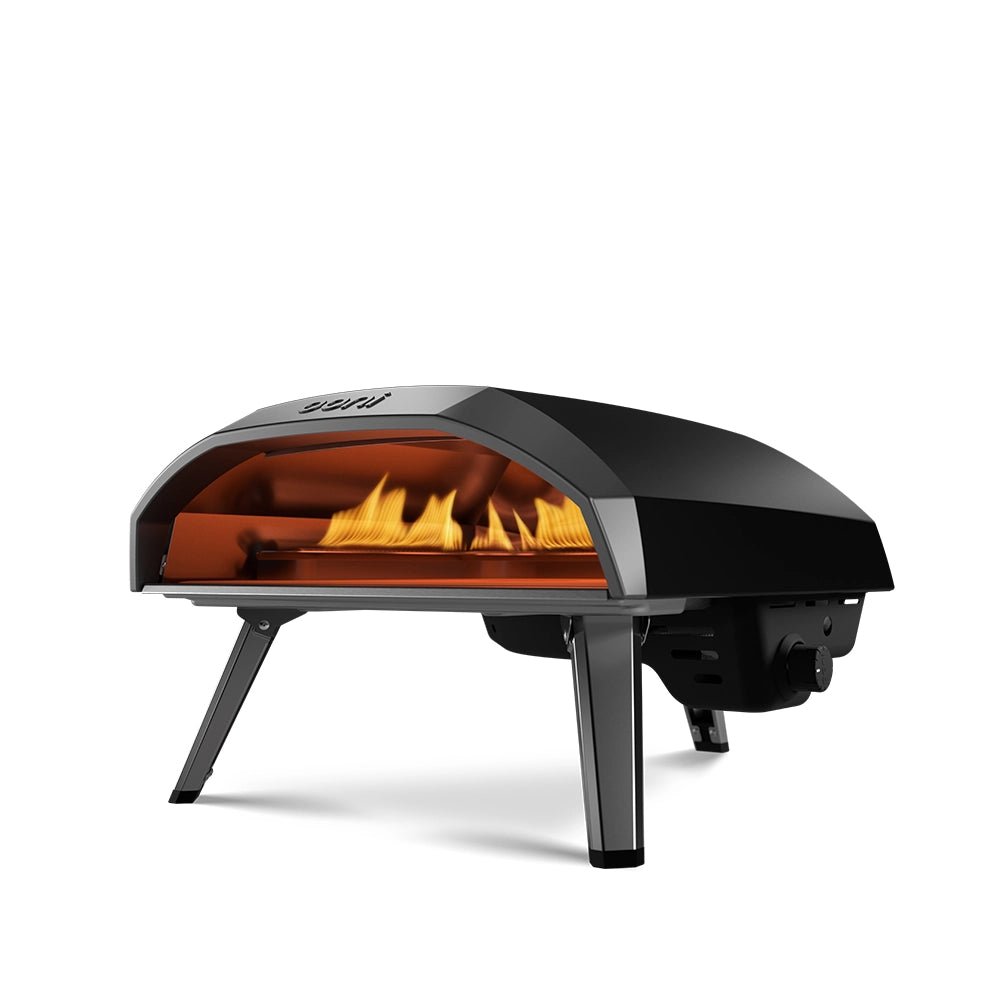
Image suggestion: side-by-side photo of the Karu 2 and Karu 16 showing the size difference
| Ooni Karu 2 | Ooni Karu 16 | |
|---|---|---|
| Price | $599 | $799 |
| Max pizza size | 12 inches | 16 inches |
| Max temperature | 950°F | 950°F |
| Fuel types | Wood, charcoal, gas (adapter sold separately) | Wood, charcoal, gas (adapter sold separately) |
| Weight | 26.4 lbs | 62.6 lbs |
| Portable? | Yes | No |
| Cook time (pizza) | 60–90 seconds | 60–90 seconds |
| Stone thickness | 0.6 inches | 0.6 inches |
| Best for | 1–2 people, portability | Families, large gatherings |
Size and Cooking Space
This is where the decision gets made for most people. A 12-inch pizza is a solid personal pizza or a pizza for two — but it’s one pizza at a time, and if you’re feeding four or more people you’re doing multiple back-to-back cooks. The Karu 16’s 16-inch capacity changes that significantly. You can make a pizza that genuinely feeds three to four people in a single cook, or use the extra space to cook larger items like spatchcocked chicken, fish fillets, or a leg of lamb.
In practice we find the 12-inch limit of the Karu 2 isn’t as restricting as it sounds for everyday use. Two people eating together can go through two or three 12-inch pizzas in a session and that’s a great evening. But for a backyard party with six or eight guests, the Karu 16 is noticeably more practical.
Portability
At 26.4 lbs the Karu 2 is genuinely portable — we’ve taken it camping, to the beach, and to friends’ backyards without any real hassle. It breaks down quickly, fits in the trunk of most cars, and the carry handle is well-designed. If portability matters at all to you, the Karu 2 is the clear choice.
The Karu 16 weighs 62.6 lbs. You can move it, and it has a carry handle, but in practice it lives wherever you first set it up. That’s not a criticism — it’s just a fact to factor in. If it’s staying on your patio all season, the weight is irrelevant. If you want to take it anywhere, it’s the wrong oven.
Multi-Fuel: Wood, Charcoal, and Gas
Both ovens run on wood, charcoal, or gas — the gas burner adapter is sold separately for each model, which is worth noting when you’re comparing total cost. Add $100–$120 for the gas burner if you want that option.
In our experience, wood is the most rewarding fuel in both ovens — the smoke flavor, the visual drama of the fire, and the authentic Neapolitan heat all feel right. Charcoal is the easier entry point: it lights faster, burns more consistently, and is more forgiving for beginners. Gas is the most convenient for weeknight sessions when you want to be eating in 20 minutes.
The multi-fuel flexibility is genuinely useful and one of the things that makes the Karu range stand out from the gas-only Koda series. If you want the option to use wood or charcoal on weekends and gas on weeknights, either Karu delivers that.
Temperature and Performance
Both ovens hit 950°F and both cook a Neapolitan pizza in 60–90 seconds. On pure pizza performance there’s no meaningful difference — both produce excellent leopard-spotted, airy-crusted Neapolitan pizza at full heat. The stone thickness is the same. The dome height is slightly more generous on the Karu 16, which gives you a little more flexibility when cooking taller items.
Where the Karu 16 has an edge is in cooking larger, thicker cuts. The extra space and slightly higher dome means you can cook a whole fish, a pork shoulder, or a big tray of vegetables more comfortably. If you’re planning to use the oven for more than just pizza, the Karu 16’s extra room pays off.
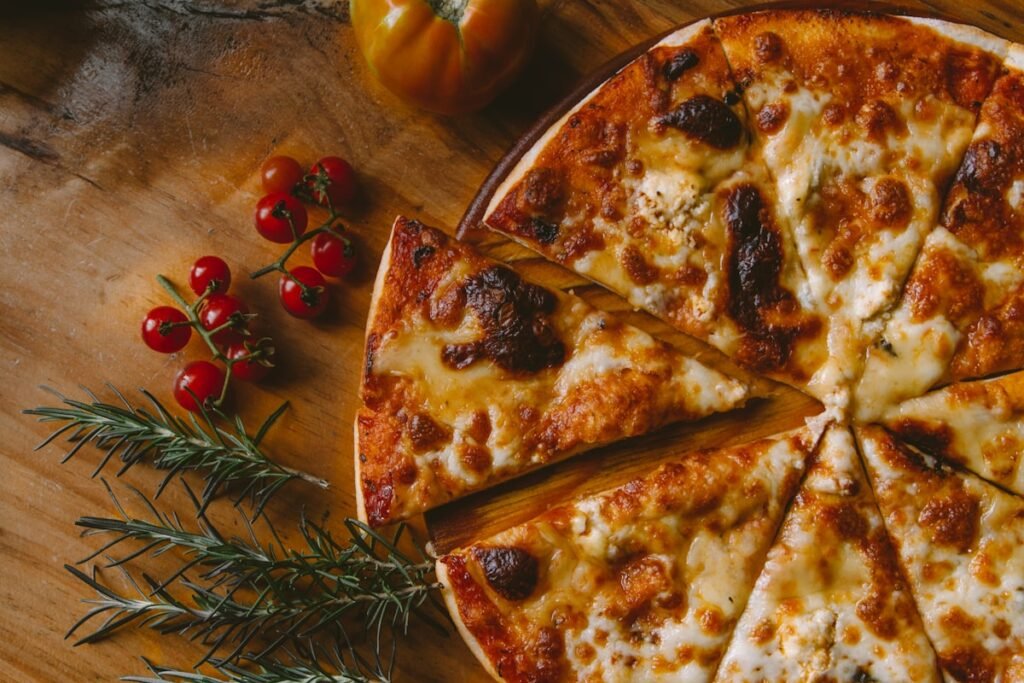
Image suggestion: photo of a pizza with leopard spots fresh from the Karu 2 — showing the high-heat result
Price: Is the Karu 16 Worth $200 More?
The Karu 16 costs $200 more than the Karu 2. For that extra $200 you get a bigger pizza size, more cooking space, and the ability to cook for larger groups. You give up portability and end up with a much heavier oven.
Our view: the upgrade is worth it if you regularly cook for four or more people, or if the oven will live permanently on your patio and you want the flexibility of a larger cook surface. If you’re cooking for one to three people most of the time, the Karu 2 does everything you need at a price that’s easier to justify.
Who Should Buy the Karu 2?
- You want portability — camping, travel, friends’ yards
- You’re cooking for one to three people most sessions
- Budget is a factor and $200 matters
- You want the full multi-fuel experience in a compact oven
- You’re new to outdoor pizza ovens and want a less intimidating size
Check the Ooni Karu 2 on Amazon →
Who Should Buy the Karu 16?
- You regularly cook for four or more people
- You want to make larger pizzas (14–16 inches)
- The oven will stay in one place — patio, backyard, or deck
- You cook more than just pizza — meat, fish, vegetables, bread
- You want the most capable multi-fuel oven Ooni makes
Check the Ooni Karu 16 on Amazon →
Frequently Asked Questions
Is the Ooni Karu 16 worth the extra money over the Karu 2?
If you cook for groups of four or more, yes. The larger pizza size and extra cooking space make a real difference for family cooking sessions. If you’re mostly cooking for one to two people, the Karu 2 does everything the Karu 16 does at $200 less and in a much more portable package.
Can the Karu 2 cook a 16-inch pizza?
No. The Karu 2 has a 12-inch maximum pizza size. For 16-inch pizzas you need the Karu 16 or another larger oven like the Ooni Koda 16.
Do both ovens come with a gas burner?
No — the gas burner is sold separately for both models. Both come set up for wood and charcoal out of the box. Budget an extra $100–$120 if you want the gas option for either oven.
Which is better for beginners — Karu 2 or Karu 16?
The Karu 2. It’s lighter, easier to manage, less expensive, and the smaller cooking surface is actually more forgiving when you’re still getting a feel for launching and turning pizza. Start with the Karu 2 and upgrade later if you outgrow it.
How does the Karu 2 compare to the Ooni Koda 2?
The Karu 2 and Koda 2 are both 12-inch ovens at a similar price, but the key difference is fuel. The Koda 2 is gas-only. The Karu 2 adds wood and charcoal capability, making it the better choice if you want authentic wood-fired flavor. See our full Koda 2 vs Koda 16 comparison if you’re deciding within the Koda range.
How does the Karu 2 compare to the original Karu 12?
The Karu 2 is the upgraded successor to the Karu 12. Key improvements include a larger viewing window, better door seal and improved insulation. The Karu 12 is often available at a reduced price as a result. If you’re weighing up both options, see our full Ooni Karu 2 vs Karu 12 comparison.
Whichever oven you choose, see our guide on pizza oven temperature to make sure you’re hitting the right heat before the first cook.

About Ian Armstrong
I'm Ian Armstrong, a home cook and pizza oven obsessive based in the UK. Over the past four years I've owned and cooked on a Gozney Roccbox, Ooni Karu, Ooni Koda, and Gozney Arc — putting each one through real-world use in my back garden across all seasons, not just ideal summer conditions. I test dough hydration, preheat times, fuel efficiency, and how each oven handles everything from Neapolitan pizza to sourdough bread and Sunday roasts. Everything on Wood Fired Pizza Gear comes from hands-on experience. No sponsored placements, no guesswork — just honest assessments from someone who's burned a lot of dough getting it wrong so you don't have to.