Last updated: August 12, 2026
Last updated: August 2026. This post contains affiliate links — if you buy through them I earn a small commission at no extra cost to you. Full disclosure.
We have tested multiple pizza stones in our ovens. In our experience cordierite outperforms ceramic for heat retention and crack resistance.
This best pizza stones for home ovens guide breaks down what actually matters, based on real use.
| FibraMent-D | Old Stone Kitchen | Unicook | Emile Henry | |
|---|---|---|---|---|
| Best For | Best Overall | Best Value | Budget Pick | Best Ceramic |
| Material | Composite | Cordierite | Cordierite | Glazed Ceramic |
| Thickness | 3/4″ | 3/4″ | 5/8″ | 3/5″ |
| Max Temp | 700°F+ | 600°F | 600°F | 500°F |
A pizza stone transforms your oven by absorbing heat and releasing it evenly into the base of your pizza. The right stone means a properly cooked, crispy base – the wrong one means soggy, undercooked disappointment. Here’s what to look for and which ones are actually worth buying.
What to Look for in a Pizza Stone
Material
Cordierite is the best all-round material for pizza stones. It’s porous (which wicks moisture from the dough), handles thermal shock well, and survives temperatures up to 600°F without cracking. Composite stones like FibraMent-D go higher and distribute heat more evenly. Glazed ceramic (Emile Henry) is easier to clean but doesn’t perform as well at the temperatures needed for great pizza.
Thickness
Thicker is better. A 3/4-inch stone holds significantly more heat than a 1/2-inch one, which means more consistent cooking across multiple pizzas. The tradeoff is preheat time – allow 45-60 minutes at full oven temperature for a thick stone. Don’t rush it.
Size
Get the largest stone that fits your oven with at least 1 inch of clearance on all sides – you need airflow around the stone. For most standard home ovens, a 16″ x 14″ rectangle is the practical maximum. If you’re using a dedicated pizza oven, check the manufacturer’s recommended stone size.
Best Pizza Stones
FibraMent-D Baking Stone – Best Overall
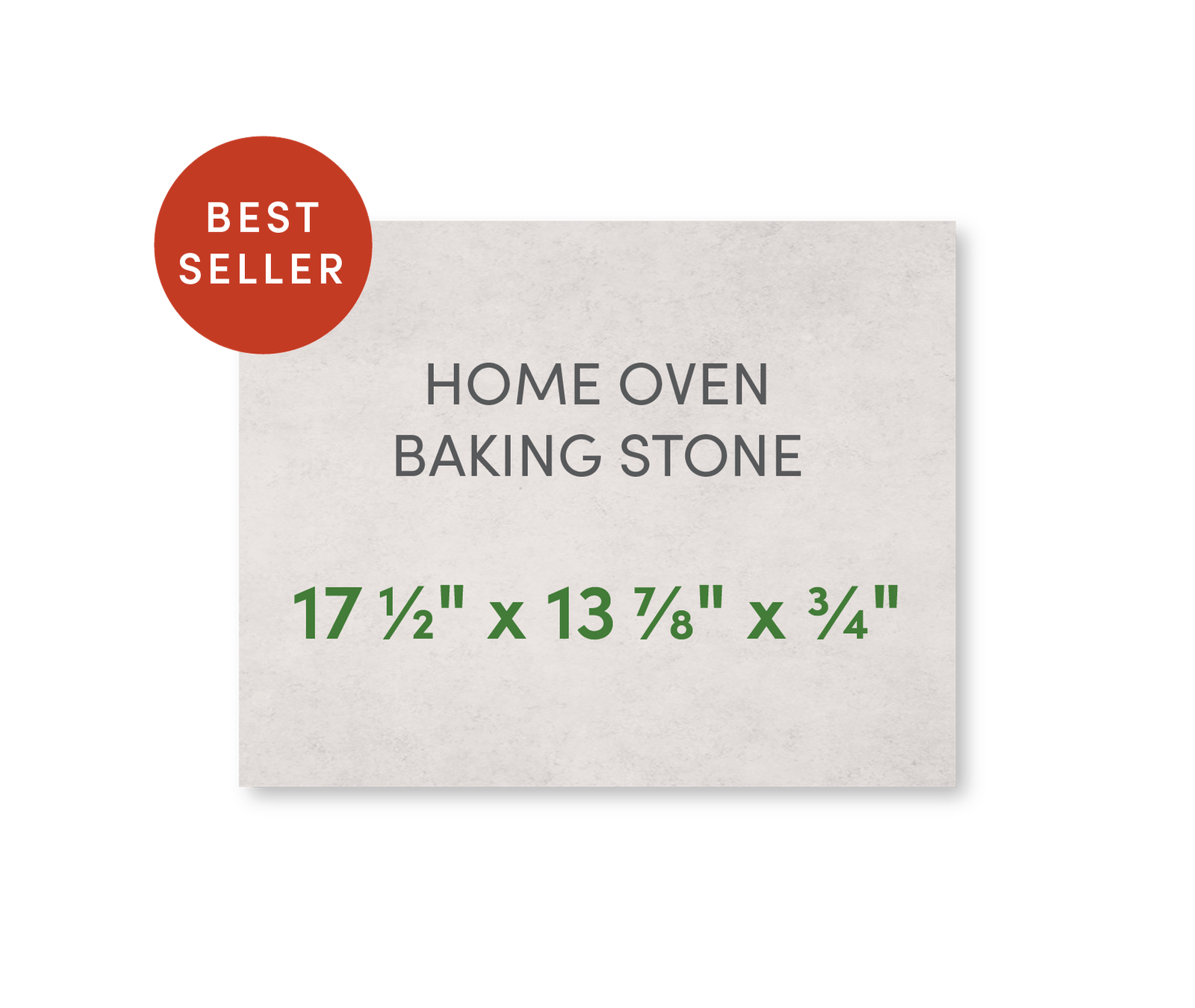
FibraMent makes stones used in professional bakeries, and the home version delivers the same results. The composite material heats exceptionally evenly, holds temperature through multiple pizza launches, and won’t crack under thermal stress. It’s available in multiple sizes and built to last decades. If you’re serious about pizza and want to buy once, this is it.
Check current price on Amazon →
Old Stone Pizza Kitchen Baking Stone – Best Value
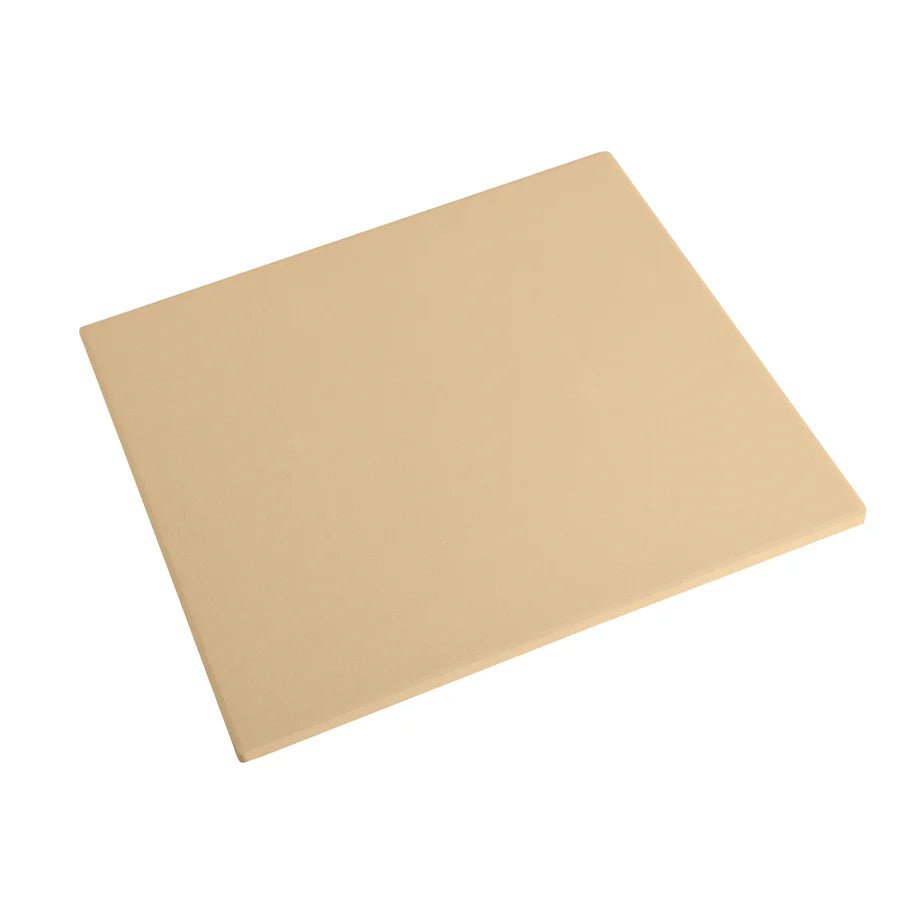
A genuine workhorse at an accessible price. The Old Stone uses cordierite construction, handles heat well, and is available in both round and rectangular versions. The ⅝-inch thickness is slightly thinner than premium options but performs well for home baking. Highly rated for years for good reason – it just works.
Check current price on Amazon →
Unicook Heavy Duty Pizza Stone – Budget Pick
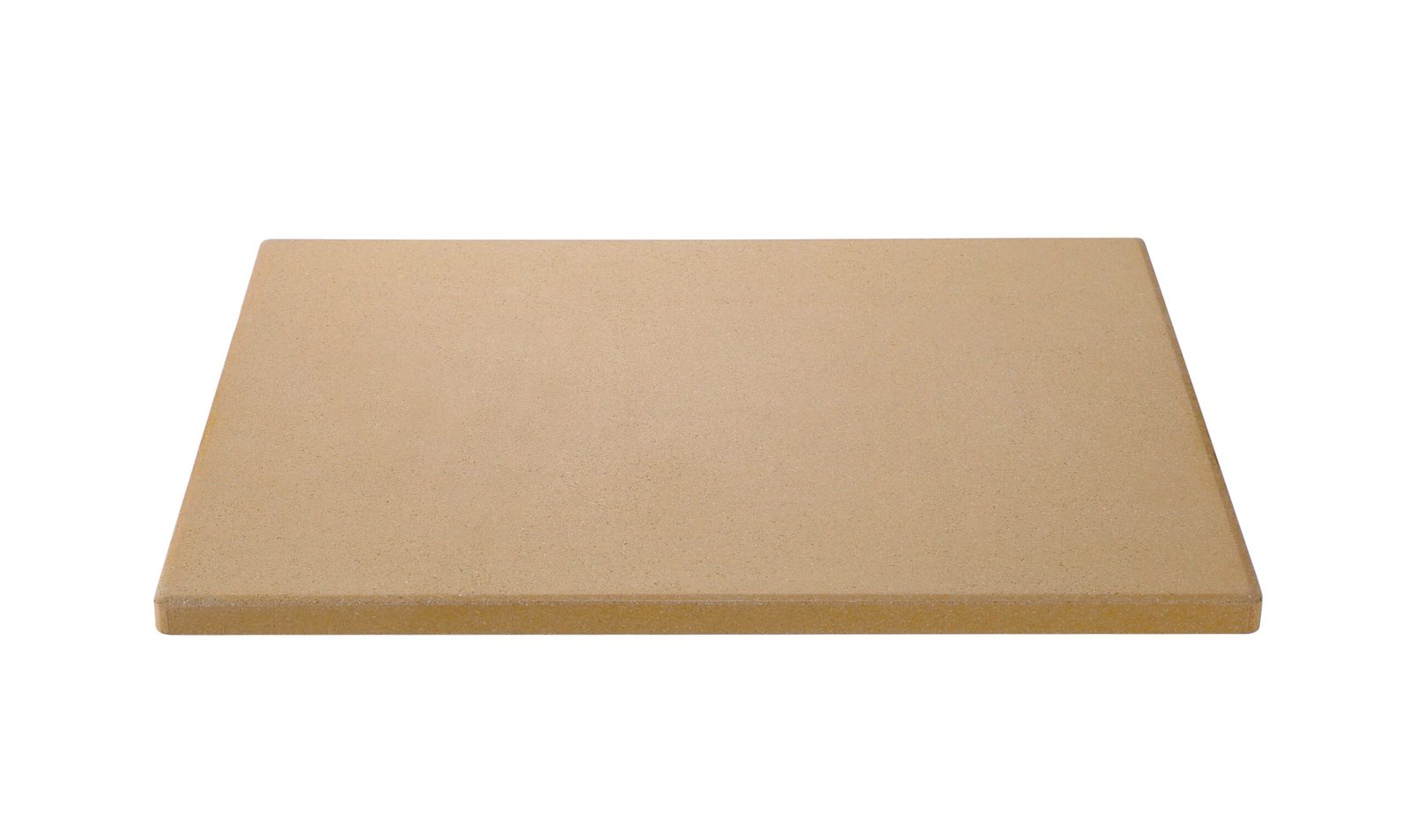
A solid entry-level cordierite stone that handles standard home oven temperatures without issues. Comes with a plastic scraper for cleanup. It’s not as thick as premium options and won’t handle very high heat baking, but for someone getting started with pizza stones, it’s a good low-risk investment.
Check current price on Amazon →
Emile Henry Flame Top Pizza Stone – Best Ceramic
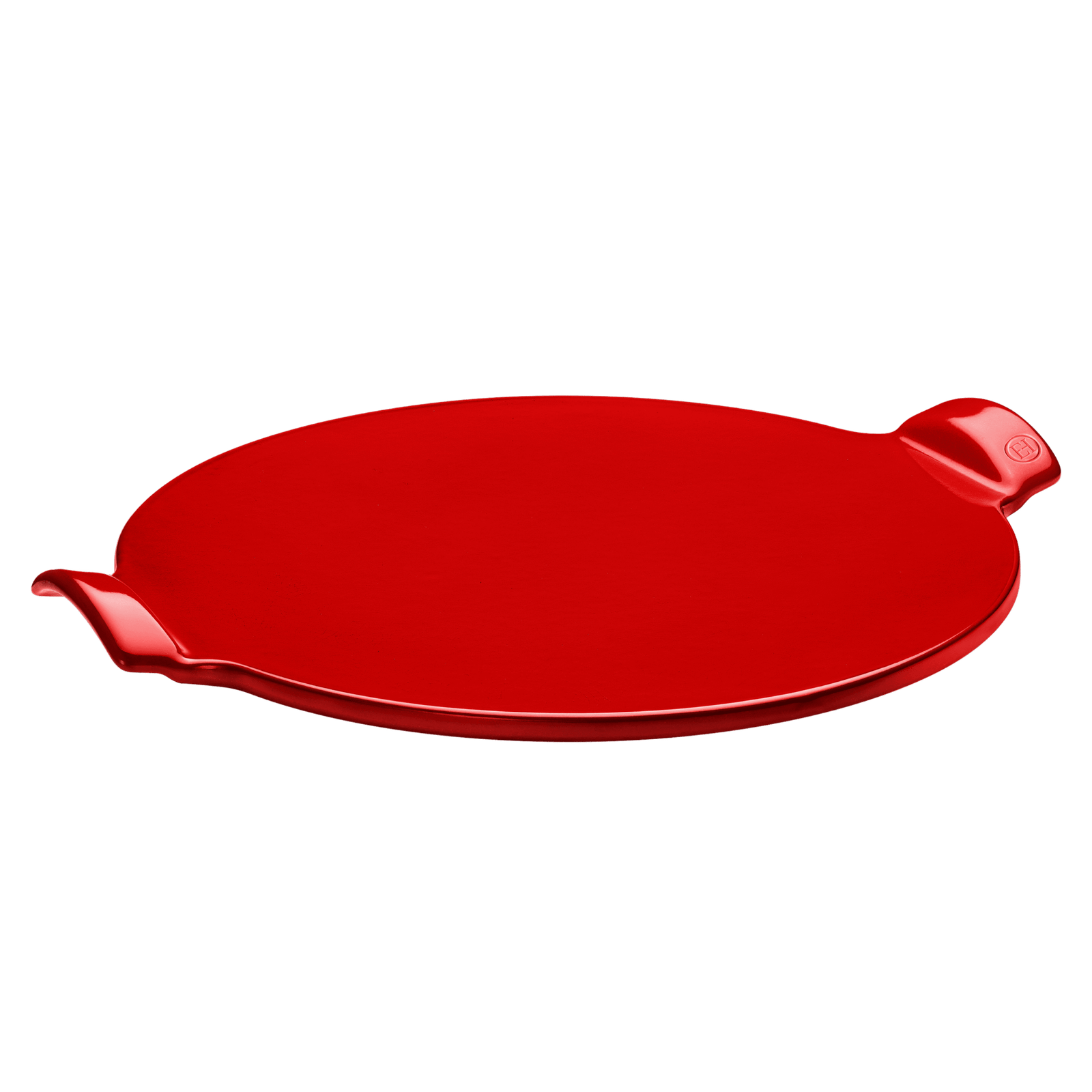
The glazed ceramic surface makes this far easier to clean than porous cordierite – stuck-on dough wipes away, and it goes in the dishwasher. The tradeoff is heat absorption: the glaze prevents the stone from wicking moisture from the dough, which can mean slightly softer bases. Worth it if easy maintenance is the priority.
Check current price on Amazon →
How to Use a Pizza Stone Correctly
Always preheat the stone with the oven – never place a cold stone in a hot oven. Allow 45-60 minutes at maximum temperature before launching. Use a peel dusted with fine semolina to transfer the pizza, and rotate halfway through cooking for an even bake. See our guide on choosing the right pizza peel if you haven’t sorted that part out yet.
Frequently Asked Questions
Do I need to season a pizza stone?
No. Unlike cast iron, pizza stones don’t need seasoning. Don’t oil them – oil can smoke and go rancid inside a porous stone. Use dry and let it develop a natural patina over time.
Why did my pizza stone crack?
Thermal shock is the most common cause – moving a cold stone into a hot environment, or pouring cold liquid onto a hot stone. Always heat gradually and never wash with cold water right after use.
Can I clean a pizza stone with soap?
Avoid soap on porous stones – it can be absorbed and affect flavor. Scrape off debris with a metal spatula or scraper while still warm (not hot), then wipe with a barely damp cloth. Burnt spots are normal and don’t need removing.
This post contains affiliate links. If you buy through our links we may earn a small commission at no extra cost to you. See our affiliate disclosure for more details.
If you are buying a stone for a portable oven, check the cooking floor dimensions first. The Ooni Koda 16 and Ooni Karu 2 both use larger cordierite stones, while the Ooni Koda 2 and Gozney Roccbox have smaller cooking floors. Replacement stones must match your oven’s exact dimensions.
Get wood-fired pizza tips in your inbox
Gear reviews, firing tips, and oven guides – delivered free to fellow pizza enthusiasts.
Gear mentioned in this article (paid links)

About Ian Armstrong
I'm Ian Armstrong, a home cook and pizza oven obsessive based in the UK. Over the past four years I've owned and cooked on a Gozney Roccbox, Ooni Karu, Ooni Koda, and Gozney Arc — putting each one through real-world use in my back garden across all seasons, not just ideal summer conditions. I test dough hydration, preheat times, fuel efficiency, and how each oven handles everything from Neapolitan pizza to sourdough bread and Sunday roasts. Everything on Wood Fired Pizza Gear comes from hands-on experience. No sponsored placements, no guesswork — just honest assessments from someone who's burned a lot of dough getting it wrong so you don't have to.