Last updated: August 17, 2026
Last updated: August 2026.
This Ooni Koda 16 review is based on two full summers of real use. The Koda 16 is the oven I’ve cooked on more than any other. I’ve had it set up in the backyard for two full summers now, run somewhere north of a hundred cook sessions on it, and recommended it to more friends than I can count. It’s not perfect – there are real trade-offs worth knowing about – but for a family that wants a reliable gas pizza oven and has a fixed outdoor spot to leave it, I don’t think there’s a better option at the price.
Here’s what I’ve actually found from extended use.
Quick verdict
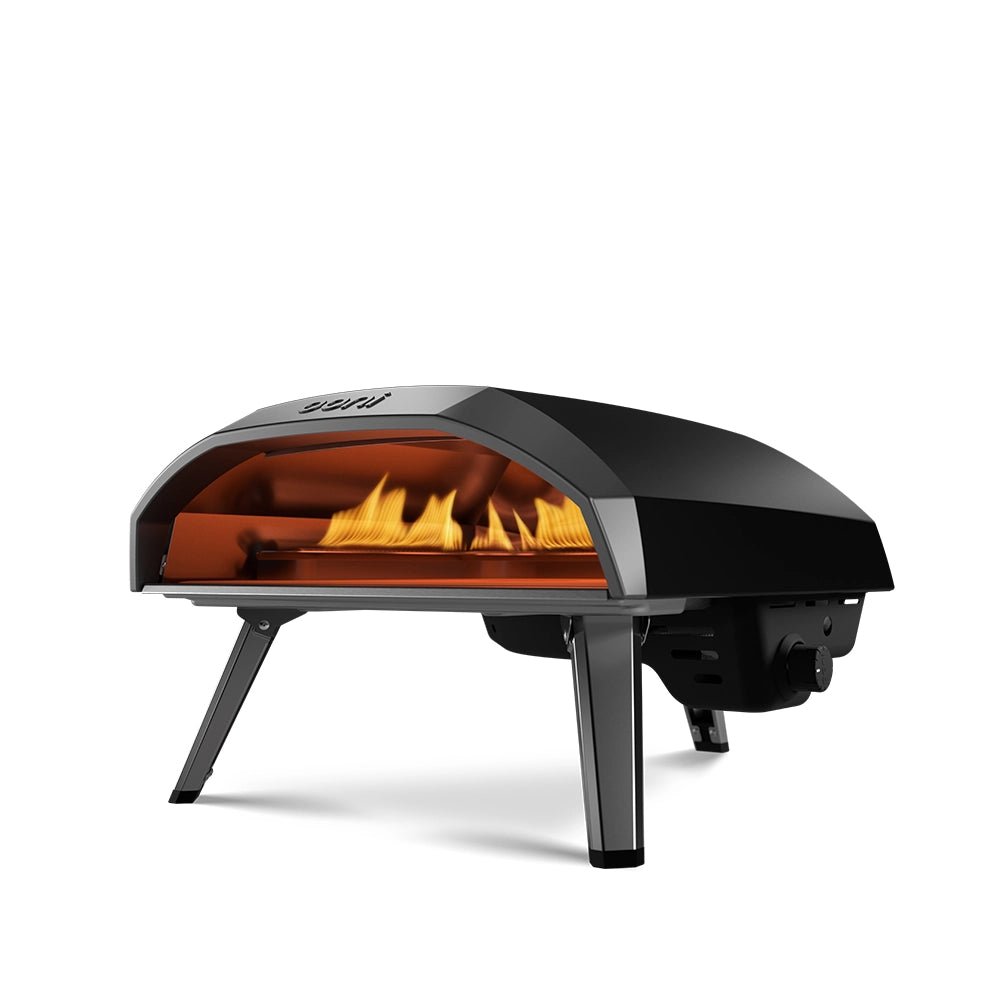
The Ooni Koda 16 is the best gas pizza oven for families cooking for four or more people who have a fixed outdoor spot to leave it. The 16-inch stone is generous, the L-shaped burner does a better job than most at evening out heat, and propane means no wood management or fire-starting. It is not portable in any practical sense, uses more gas than smaller ovens, and needs an infrared thermometer to get consistently great results. For weekend pizza nights with a group, it’s the oven I’d buy again without hesitation.
Ooni Koda 16 specs
- Cooking area: 40 x 40 cm (16-inch) stone
- Fuel: gas only (propane or butane)
- Max temperature: 930°F / 932°F
- Preheat time: 20 minutes
- Weight: 17.8 kg
- Price: approximately $499 to $549
What the Koda 16 gets right
Stone size
The 16-inch stone is the main reason to buy this over the Koda 12. I spent a summer on a 12-inch oven and while it made excellent pizza, cooking for four people was a slow, stop-start process. The Koda 16 lets me run proper 13 to 14-inch pizzas and get through five or six in a session without it becoming a relay race. For a family or a group of friends, that throughput makes a genuine difference to how enjoyable the experience is.
The larger stone also gives you more margin when launching. On a 12-inch oven, an off-center launch is a problem. On the Koda 16 there’s enough space to be slightly imprecise and still correct it with the turning peel before anything burns.
The L-shaped burner
The L-shaped burner wraps flame along the back and partway down one side of the oven. In practice this means the heat is more evenly distributed than on rear-only burner designs – the front of the stone is cooler than the back, but not dramatically so. I typically rotate my pizza twice during a 60 to 90-second cook, which is enough to get even color all the way around. It’s become automatic after a few sessions.
Ease of use
The Koda 16 is as simple to operate as a gas pizza oven gets. Connect the hose, press the ignition, set the dial to high, and wait 20 minutes. There’s no fire management, no charcoal lighting, no fuel-feeding during the cook. I’ve had guests who’d never used a pizza oven before cooking their own pizza within 20 minutes of arriving. The simplicity lowers the barrier to getting great results.
Where the Koda 16 falls short
It is not actually portable
At nearly 18 kg, I move the Koda 16 only when absolutely necessary. It lives in the backyard on a dedicated table and comes inside only in extreme weather. If you’re buying this thinking you’ll take it to the beach or a friend’s garden regularly, reconsider. The Koda 12 or Koda 2 are the ones to buy if portability matters. The Koda 16 is a garden oven that happens to be technically moveable.
No built-in thermometer
This surprised me when I first got it. There’s no way to check stone temperature without a separate infrared thermometer, and stone temperature is the most important variable in getting a great cook. I burned the bases of several pizzas in my first few sessions because I was guessing by time rather than checking temperature. An infrared thermometer costs around $20 and is an essential purchase alongside this oven – budget for it.
Gas consumption
The Koda 16 goes through gas at a reasonable clip, particularly at startup when it’s running at full power for the preheat. A standard 5 kg propane cylinder lasts me about 8 to 10 full sessions, which works out to a reasonable cost per cook but means keeping a spare cylinder on hand if you’re cooking regularly.
Wind sensitivity
The open-front design means wind affects the temperature inside the oven on gusty days. I’ve had sessions where I’ve spent the whole cook fighting temperature drops caused by a crosswind hitting the opening. Setting up in a sheltered spot makes a noticeable difference. It’s not a dealbreaker, but it’s something to factor in if your outdoor space is exposed.
Koda 16 vs Koda 2: which should you buy?
The Koda 2 is cheaper, lighter, and simpler. The Koda 16 has a bigger stone, better heat distribution, and higher throughput. If you’re cooking for one or two people or want something genuinely portable, the Koda 2 is the right choice. If you’re regularly cooking for a family or group, the larger stone on the Koda 16 is worth the extra cost. I went from a 12-inch oven to the 16 and found the upgrade made the whole experience noticeably more enjoyable.
Who should buy the Ooni Koda 16
This is the oven for families who want a permanent outdoor cooking setup. If you’re cooking pizza every weekend for three or more people, and you have a sheltered spot in the backyard to leave it, the Koda 16 is the best value at this size. It’s also the right choice if you’re buying your first serious pizza oven and want something you won’t outgrow within a season.
It’s not the right buy if you need something portable, want wood-fired flavor, or are cooking mostly for one or two people. Those situations call for different ovens.
Related reading
Gear mentioned in this article (paid links)
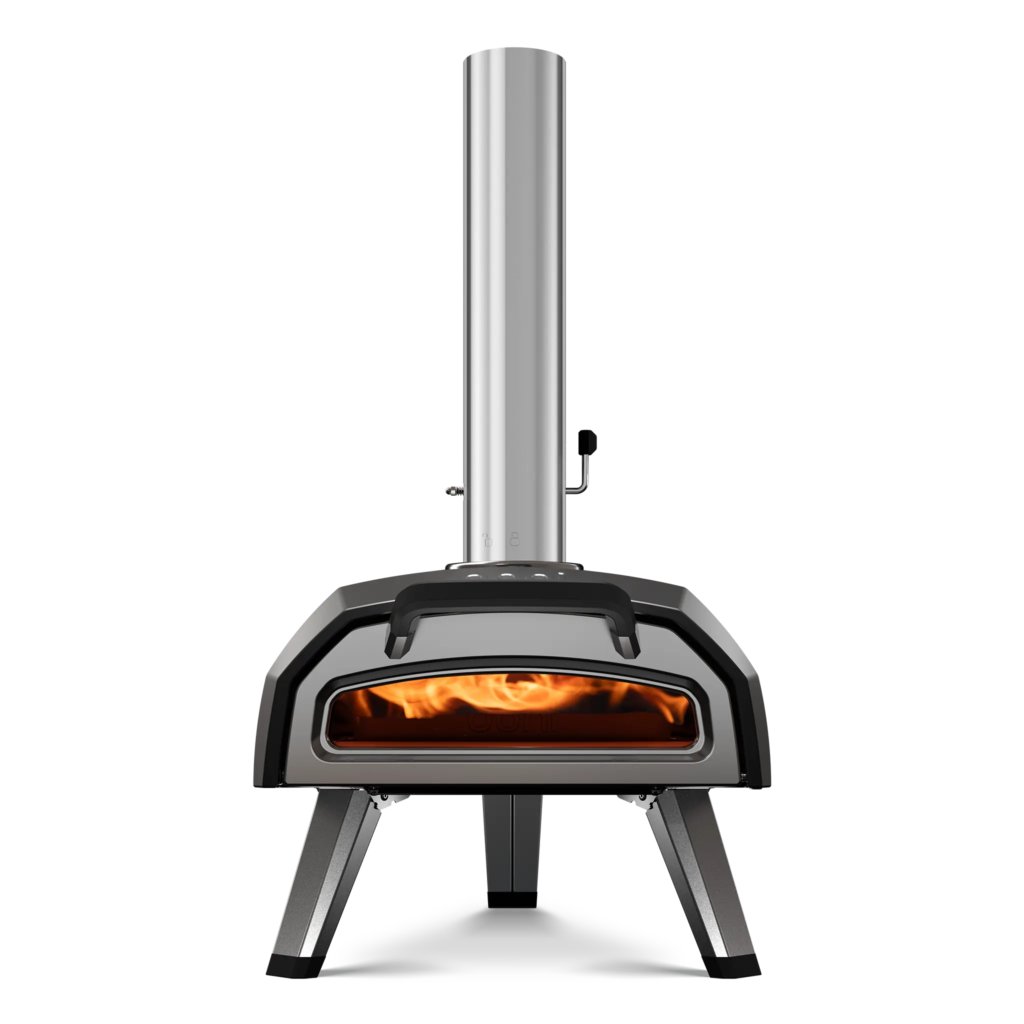
If you want the 16-inch cook size but are also interested in wood-fired cooking, our Ooni Koda 16 vs Karu 16 comparison explains whether the multi-fuel Karu 16 is worth the extra $300.

About Ian Armstrong
I'm Ian Armstrong, a home cook and pizza oven obsessive based in the UK. Over the past four years I've owned and cooked on a Gozney Roccbox, Ooni Karu, Ooni Koda, and Gozney Arc — putting each one through real-world use in my back garden across all seasons, not just ideal summer conditions. I test dough hydration, preheat times, fuel efficiency, and how each oven handles everything from Neapolitan pizza to sourdough bread and Sunday roasts. Everything on Wood Fired Pizza Gear comes from hands-on experience. No sponsored placements, no guesswork — just honest assessments from someone who's burned a lot of dough getting it wrong so you don't have to.