Last updated: August 27, 2026
Last updated: August 2026.
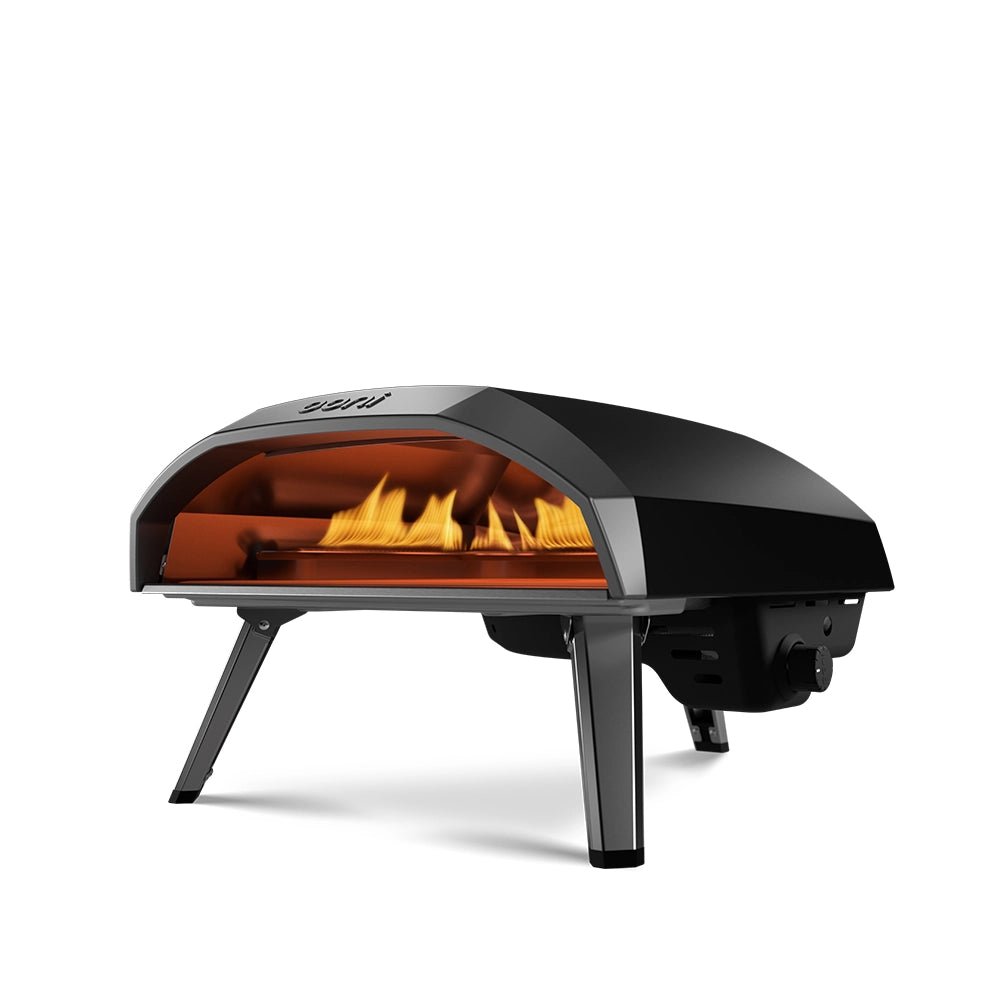
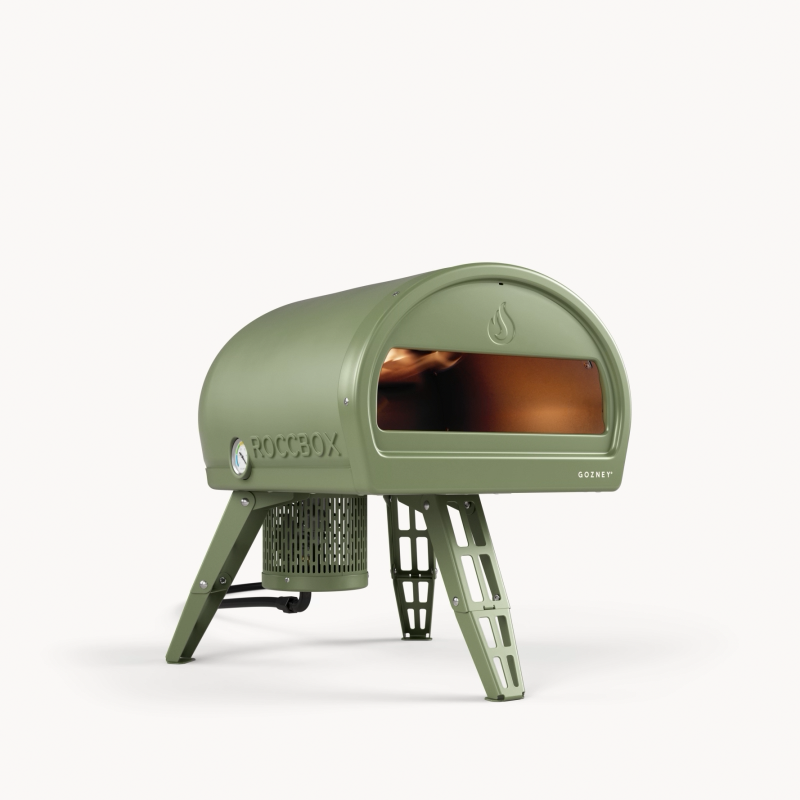
I’ve spent time cooking on both the Ooni Karu 16 and the Gozney Dome, and at this price point the differences matter. Here’s how they compare on the things that count.
The Ooni Karu 16 and Gozney Dome are the two most popular premium multi-fuel pizza ovens on the market. Both cook 16-inch pizzas on wood, charcoal, or gas. Both are built to a high standard. The differences come down to design philosophy, cooking experience, and a significant price gap that deserves honest discussion.
Quick Verdict
Buy the Ooni Karu 16 if you want a large multi-fuel oven at a more accessible price, with excellent performance and a strong accessories ecosystem.
Buy the Gozney Dome if you want the best-built, most premium outdoor pizza oven available and are happy to pay significantly more for it.
Key Specs
| Ooni Karu 16 | Gozney Dome | |
|---|---|---|
| Max pizza size | 16 inches | 16 inches |
| Fuel | Wood, charcoal, gas | Wood, charcoal, gas |
| Max temperature | 930°F | 930°F |
| Weight | ~28kg | ~29kg |
| Built-in thermometer | No | Yes |
Build Quality
The Gozney Dome is built to a higher specification. Its powder-coated stainless steel shell, thicker refractory floor, and more substantial insulation give it better heat retention than the Karu 16. The Dome also has a more refined aesthetic – it looks more like a piece of outdoor furniture than a piece of cooking equipment, which matters to some buyers.
The Ooni Karu 16 is very well built for its price but uses thinner materials in some areas compared to the Dome. The viewing window on the Karu 16 is genuinely useful for monitoring cooks without opening the door. Both ovens are solidly made and built to last with normal care.
Wood-Firing Experience
The Gozney Dome has a larger firebox and more forgiving fire management. You can use larger splits of wood and add fuel less frequently. The Karu 16’s firebox is smaller and requires more frequent, smaller fuel additions to maintain temperature – typically a small split every 60-90 seconds during a pizza cook.
Both produce excellent results on wood, but the Dome is the more comfortable wood-firing experience. If wood-firing is your primary cooking method, this difference is noticeable over a long session.
Heat Retention and Recovery
The Dome’s thicker refractory floor retains heat better between consecutive pizzas. When cooking for a group, the Dome holds its stone temperature more consistently across a long session. The Karu 16’s stone drops temperature more noticeably after each pizza, requiring a slightly longer recovery period before launching the next one.
In practice, cooking for 2-3 people this difference is minor. Cooking 8-10 pizzas in a row, it becomes more noticeable – you may need to stoke the Karu 16 more between pizzas to maintain performance.
Accessories and Ecosystem
Ooni has a more developed accessories ecosystem. The Karu 16 is compatible with Ooni’s full range of attachments including the gas burner, cover, carrying bag, and various baking accessories. Third-party accessories for Ooni ovens are also widely available.
Gozney’s accessories range is growing but smaller. The Dome S2 (updated version) includes some improvements in this area. Both ovens support a gas burner attachment as an add-on.
Price
The Gozney Dome is considerably more expensive than the Ooni Karu 16 – often by several hundred pounds. For many buyers this is the deciding factor. The Karu 16 delivers around 90% of the Dome’s performance at significantly lower cost. The Dome’s premium is real but whether it justifies the price difference depends on how much the details of build quality, aesthetics, and cooking experience matter to you.
Which Should You Buy?
For most people, the Ooni Karu 16 is the better value choice. It cooks excellent pizza, handles multiple fuel types, and comes in at a significantly lower price. The Gozney Dome is for buyers who want the very best and won’t compromise on build quality, aesthetics, or cooking experience – and who cook frequently enough that those differences will be appreciated over time.
See our full Ooni Karu 16 review and Gozney Dome review for a deeper look at each oven individually. Also worth reading: Ooni vs Gozney – which brand is better? | Karu 2 vs Karu 12 comparison if you’re deciding between Karu generations.
Gas Burner Performance
Both the Ooni Karu 16 and Gozney Dome support gas via separate burner attachments sold by each brand. On gas, the differences are subtler than on wood but still worth knowing. The Dome’s gas burner produces a more even flame distribution across the cooking chamber, and the built-in dome thermometer makes it easier to hit and hold a target temperature without relying on a separate tool. The Karu 16 on gas is fast and effective — preheat to 900°F takes around 15 to 20 minutes — but the absence of a built-in thermometer means you’re relying on an infrared gun or the Ooni app to confirm stone temperature before launching. Both produce excellent results on gas. If gas is your primary fuel and you want the most integrated experience, the Dome’s setup is more polished. If you’re happy using a thermometer separately, the Karu 16 on gas performs just as well for the cook itself.
Portability and Storage
The Ooni Karu 16 has a clear practical advantage for anyone who moves their oven around or stores it between uses. The legs fold flat, the chimney detaches, and the whole unit packs down to a manageable size for one person. Ooni also sells a purpose-built carry bag for the Karu 16, which makes transport to events or a friend’s backyard straightforward. The Gozney Dome is a different kind of commitment. At around 62 lbs, it’s not impossible to move, but most owners set it on a dedicated outdoor stand or table and leave it there year-round under a weather cover. If you’re renting, have limited storage, or want the flexibility to bring your oven to different locations, the Karu 16 is the better fit. The Dome is for buyers who have a permanent outdoor setup and plan to keep the oven in one place.
Frequently Asked Questions
Is the Gozney Dome worth the extra money over the Ooni Karu 16?
For most home cooks, no. The Karu 16 delivers around 90% of the Dome’s real-world performance at a substantially lower price. The Dome’s advantages — better heat retention, a larger firebox, and a more premium build and aesthetic — matter most if you’re cooking 10 or more pizzas per session on a regular basis, or if the look and feel of your outdoor setup is a priority. For occasional weekend pizza cooking, the price gap is difficult to justify.
Which oven is better for wood-firing?
The Gozney Dome is more comfortable to wood-fire over a long session. Its larger firebox accepts bigger logs and requires less frequent fueling, which makes for a more relaxed cooking experience. The Karu 16’s smaller firebox needs smaller splits added every 60 to 90 seconds during an active cook to maintain temperature. Both produce excellent wood-fired results — the Dome just requires less attention to keep going.
Can you cook things other than pizza in these ovens?
Yes. Steaks, roasted vegetables, flatbreads, focaccia, and bread all work well in both ovens. The Gozney Dome has a slight advantage in versatility because of its wider cooking floor and the ability to run at different temperature zones within the same cooking session. The Karu 16 handles everything beyond pizza just fine, but the Dome’s extra floor space and cooking capacity give it an edge when cooking for a larger group or preparing multiple dishes.
How long does it take to reach pizza temperature?
On gas, both ovens reach 900°F in roughly 15 to 20 minutes. On wood, expect 20 to 30 minutes for either oven to come up to temperature, depending on the wood type, dryness, and ambient conditions. There is no meaningful difference in preheat time between the two — this is not a factor that should influence your decision either way.
This Ooni Karu 16 vs Gozney Dome comparison covers the real differences between two premium multi-fuel pizza ovens at a similar price point. Ooni Karu 16 at ooni.com → | Gozney Dome at gozney.com →
Our Verdict
Both ovens are excellent, and the right choice depends less on which is objectively better and more on what matters to you. The Ooni Karu 16 edges ahead for cooks who want something that packs down more easily, heats up quickly, and has a slightly lower entry price. Its multi-fuel design is well-implemented, and the 16-inch cooking floor handles everything most home cooks need.
The Gozney Dome wins on raw aesthetic appeal, heat retention, and cooking capacity. If you want an oven that makes a statement in the backyard and that can cook multiple dishes simultaneously at different temperatures, the Dome’s design gives it an edge. The gas ignition is cleaner, and the overall build feels more permanent – which suits buyers who see this as a long-term investment rather than an upgrade they might replace in a few years.
Our recommendation: if budget is a consideration, start with the Karu 16 and use the savings on quality ingredients and accessories. If you’re buying once and buying for keeps, the Dome is worth the extra spend. Read the individual reviews for full details – our Ooni Karu 16 review and Gozney Dome review go much deeper on each oven’s strengths and weaknesses.
Gear mentioned in this article (paid links)

About Ian Armstrong
I'm Ian Armstrong, a home cook and pizza oven obsessive based in the UK. Over the past four years I've owned and cooked on a Gozney Roccbox, Ooni Karu, Ooni Koda, and Gozney Arc — putting each one through real-world use in my back garden across all seasons, not just ideal summer conditions. I test dough hydration, preheat times, fuel efficiency, and how each oven handles everything from Neapolitan pizza to sourdough bread and Sunday roasts. Everything on Wood Fired Pizza Gear comes from hands-on experience. No sponsored placements, no guesswork — just honest assessments from someone who's burned a lot of dough getting it wrong so you don't have to.