Last updated: August 12, 2026
Last updated: August 2026. This post contains affiliate links — if you buy through them I earn a small commission at no extra cost to you. Full disclosure.
We cook quattro formaggi frequently and have settled on a cheese combination that melts well and avoids the greasy pooling you often see in rushed versions.
We’ve made four-cheese pizza a lot and the key is the cheese combination. This recipe uses the blend we’ve settled on after testing quite a few variations.
We’ve made four-cheese pizza a lot and the key is the cheese combination. This recipe uses the blend we’ve settled on after testing quite a few variations.
This quattro formaggi pizza recipe is straightforward once you have got the technique down.
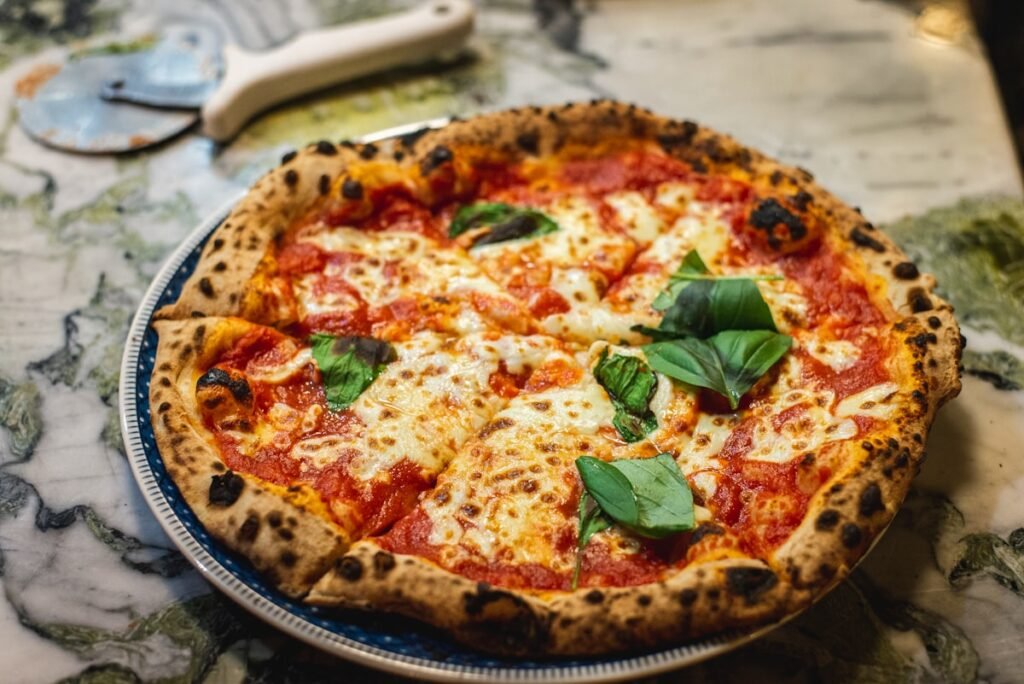
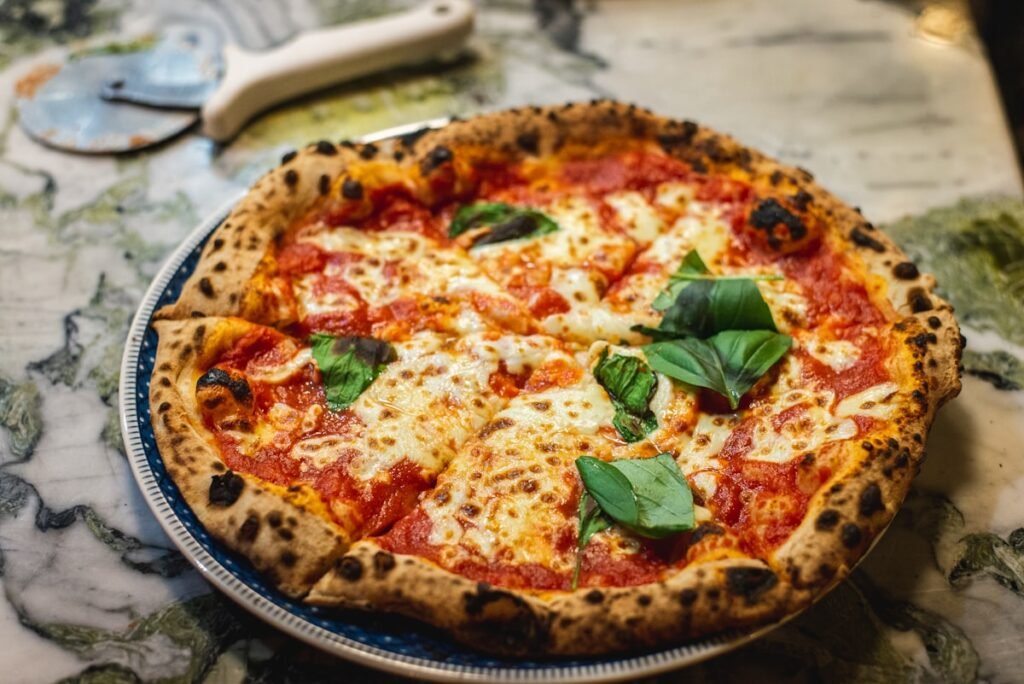
Quattro formaggi – four cheese pizza – is one of the most satisfying things you can cook in a pizza oven. The combination of four different cheeses, each melting at a different rate and contributing a distinct flavor, produces a complex, deeply savoury pizza that needs no sauce and almost no effort to prepare. Getting the cheese selection right is the only thing that matters.
Choosing Your Four Cheeses
The classic quattro formaggi combination varies by region in Italy, but the principle is always the same: combine cheeses with different textures, melt characteristics, and flavor intensities. You want one stretchy base cheese, one bold cheese, one sweet melting cheese, and one sharp/salty finishing cheese.
A reliable starting combination:
- Mozzarella fior di latte – the stretchy base. Tear into pieces and distribute across the pizza. Drain on kitchen paper for 20 minutes first to remove excess moisture.
- Gorgonzola dolce – the bold element. Use the dolce (sweet) variety rather than piccante (sharp) – it melts better and is less overpowering. Crumble small pieces over the pizza.
- Fontina – the sweet, melty element. Grate or slice thinly. Fontina melts into a smooth, creamy pool and adds a mild nuttiness that ties the other cheeses together.
- Parmigiano Reggiano – the sharp finishing cheese. Finely grate over the top just before cooking. It won’t melt fully but adds depth and saltiness.
Substitutions
Fontina can be substituted with Gruyère or Comté if you can’t find it – similar melting behavior and mild, nutty flavor profile. Gorgonzola can be replaced with any good quality blue cheese: Dolcelatte works well, as does a mild Gorgonzola from most supermarkets. Taleggio is another excellent option in place of either Gorgonzola or Fontina, adding a pungent, washed-rind character that pairs especially well with the mozzarella base.
Ingredients (Per 12-inch Pizza)
- 1 pizza dough ball
- 60g fresh mozzarella, torn and drained
- 40g gorgonzola dolce, crumbled
- 40g fontina, thinly sliced or grated
- 20g Parmigiano Reggiano, finely grated
- 1 tbsp extra virgin olive oil
- Black pepper
- Fresh thyme or honey to finish (optional)
Method
Stretch the dough on a semolina-dusted peel. Drizzle olive oil lightly across the base, leaving a 2cm border. Distribute the mozzarella first as a base layer, then add the fontina, then dot the gorgonzola across the pizza in small pieces. Grate the Parmigiano over everything last. Season with black pepper – no salt needed, the cheeses provide more than enough.
Cook at 430-860°F for 60-90 seconds, rotating every 20-30 seconds. Watch carefully – the gorgonzola can go from melted to slightly scorched quickly at high heat. You want the mozzarella bubbling, the gorgonzola melted into pools, and the cornicione blistered.
Tips for Getting It Right
- Don’t overload the cheese – too much cheese prevents the base from cooking through and makes the pizza greasy. Total cheese weight should be around 150-160g for a 12-inch pizza.
- Drain the mozzarella – wet mozzarella turns the base soggy. Tear it and leave it on kitchen paper for at least 20 minutes before using.
- Use dolce gorgonzola, not piccante – piccante can be overwhelmingly sharp at high heat and doesn’t melt as smoothly.
- Finish with honey – a thin drizzle of honey immediately out of the oven is one of the best finishes for quattro formaggi. The sweet-salty-funky combination is exceptional.
Where to Buy the Cheeses
Mozzarella and gorgonzola are widely available in all US supermarkets. Fontina is less common but available from Waitrose, Sainsbury’s, and most Italian delicatessens. It’s also available on Ocado and from specialist cheese retailers. If you can’t find it locally, Gruyère from any supermarket is a reliable substitute. Parmigiano Reggiano (the real thing, not “parmesan”) is worth buying in block form and grating yourself – the flavor is significantly better than pre-grated.
For the dough base, see our Neapolitan pizza dough recipe. For more cheese-forward pizza ideas, see our wild mushroom and truffle pizza recipe.Variations Worth Trying
White base. A quattro formaggi traditionally skips tomato sauce – just a drizzle of olive oil and the cheese. A thin smear of crème fraîche or béchamel underneath adds richness and stops the cheese from drying out in the intense heat of a pizza oven.
Drizzle with honey. A drizzle of runny honey over the finished pizza is a classic Italian treatment, especially when the cheese mix includes a strong blue like gorgonzola. The sweetness cuts through the salt and fat. Chilli flakes alongside it make it even better.
Add pear or walnuts. Thin slices of pear placed on the pizza before cooking pair naturally with fontina and gorgonzola. Toasted walnuts added after cooking give crunch without losing their nuttiness to the heat.
Simplify the cheese. The best version is sometimes just two or three great cheeses rather than four average ones. Mozzarella, taleggio, and parmesan melts evenly and lets quality ingredients speak. For more pizza recipes, the nduja pizza recipe offers a spicier alternative, and the Margherita recipe is the benchmark classic worth mastering first.
Gear mentioned in this article (paid links)

About Ian Armstrong
I'm Ian Armstrong, a home cook and pizza oven obsessive based in the UK. Over the past four years I've owned and cooked on a Gozney Roccbox, Ooni Karu, Ooni Koda, and Gozney Arc — putting each one through real-world use in my back garden across all seasons, not just ideal summer conditions. I test dough hydration, preheat times, fuel efficiency, and how each oven handles everything from Neapolitan pizza to sourdough bread and Sunday roasts. Everything on Wood Fired Pizza Gear comes from hands-on experience. No sponsored placements, no guesswork — just honest assessments from someone who's burned a lot of dough getting it wrong so you don't have to.