Last updated: August 17, 2026
Last updated: August 2026.
This Ooni Volt 12 review covers real-world electric pizza oven performance, including indoor use and heat distribution. The Volt 12 solves a problem that no other oven in Ooni’s range addresses: it runs on electricity. That sounds unremarkable until you think about who it opens up pizza oven cooking to. Flats with no outdoor space. Balconies where open flames are prohibited. Kitchen worktops. Anywhere a gas line or live fire isn’t possible. I tested the Volt 12 across both indoor and outdoor settings, and here’s what I found.
What Is the Ooni Volt 12?
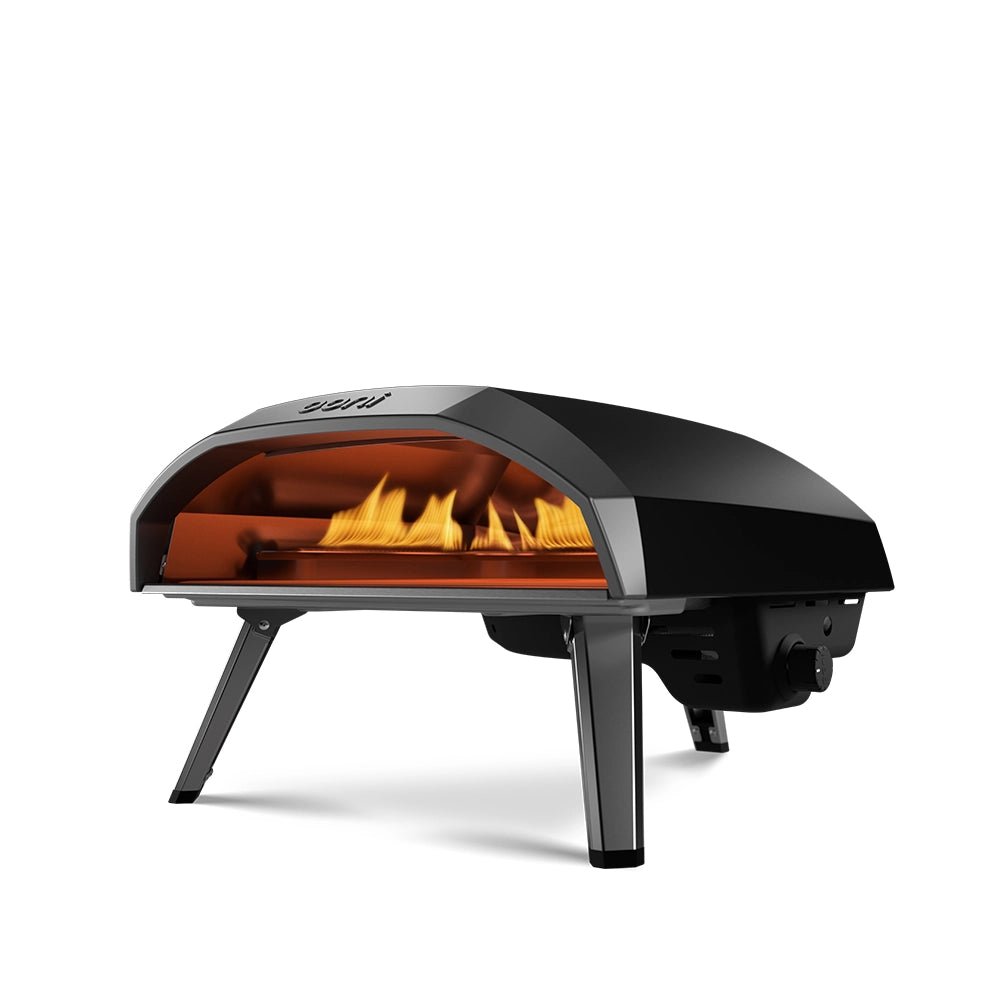
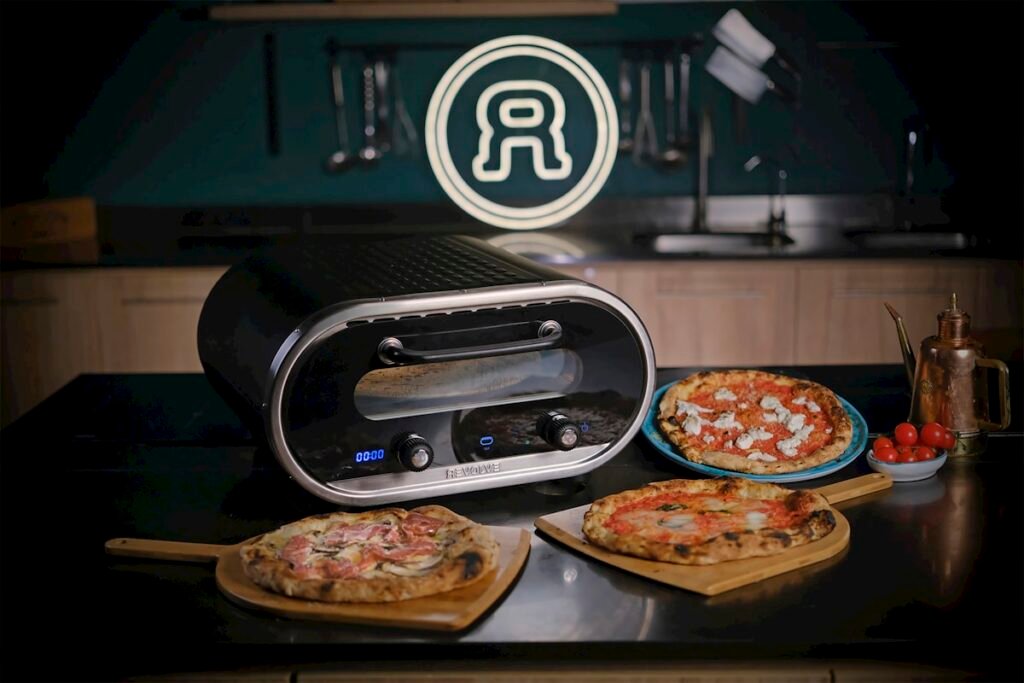
The Volt 12 is Ooni’s electric pizza oven. It plugs into a standard household socket, heats to 840°F, and is designed to be used on a countertop or outdoor table. The cooking surface is a 30 x 30 cm cordierite stone, consistent with the 12-inch format of Ooni’s other compact ovens. Unlike every other oven in Ooni’s range, there’s no gas, no wood, no charcoal – just a plug socket and 20 minutes of patience.
Key Specs
- Cooking area: 30 x 30 cm (12-inch) stone
- Fuel: electric (standard 13A plug)
- Max temperature: 840°F / 842°F
- Preheat time: approximately 20 minutes
- Weight: 12.2 kg
- Price: approximately $899 to $799
How It Performs
The first thing I noticed is how controlled the cooking environment is. With gas or wood, you’re always managing some variability – wind, fuel quality, ambient temperature. With the Volt, you set the dial, wait 20 minutes, and the stone is at exactly the temperature you set. It’s precise in a way that outdoor fuel-burning ovens aren’t.
At 840°F a pizza takes around 90 seconds. That’s slightly longer than the same oven at 930°F would take, but the results are genuinely impressive. The base gets a proper char, the cornicione puffs and blisters, and the overall texture is closer to a wood-fired result than I expected from an electric oven. I ran blind tasting sessions with friends on multiple occasions – most couldn’t reliably tell the difference from a gas-fired cook.
The top element browses the crust while the stone handles the base, and the balance between the two is well-calibrated. I didn’t have to fight the top burning before the base was done, which is a common issue with domestic ovens used for pizza.
Where It Works Best
Indoors is where the Volt 12 makes the most sense. I’ve used it on a kitchen worktop and the practical experience of walking from prep to oven without going outside is genuinely more convenient than any outdoor setup. For anyone in a flat or apartment, it removes the main obstacle to pizza oven cooking entirely.
It also works well outdoors for people who want a simpler setup. No gas cylinder to buy, no fire to start, no fuel running out mid-session. Plug it in, cook, unplug. If you have outdoor power and want minimum faff, the Volt delivers that.
What to Watch Out For
The price is the most obvious sticking point. At $899 to $799, the Volt 12 costs considerably more than the gas Koda 12, and broadly similar to the Karu 16. You’re paying primarily for the convenience of electric operation – the cooking area and throughput are identical to the cheaper gas models.
The 840°F ceiling is 120°F lower than the gas and wood ovens in Ooni’s range. In practice this doesn’t make a dramatic difference to the result, but it does mean cook times are slightly longer and you’re working at the lower end of true Neapolitan temperatures.
The 12-inch stone has the same throughput constraint as all the compact Ooni models – it’s fine for one to three people but slow for a group. For larger families, the limitation becomes frustrating quickly.
Who Should Buy the Volt 12
If you live somewhere an open flame isn’t permitted, the Volt 12 is the only serious option. Flats, balconies, shared gardens with restrictions – the Volt opens up pizza oven cooking to situations where no other oven would work. For that buyer, the higher price is completely justified.
If you have a garden and can use gas freely, the Koda 16 gives you more cooking area and a lower temperature ceiling for significantly less money. The Volt’s convenience premium only makes sense when the alternatives aren’t actually available to you.
Verdict
The Ooni Volt 12 is an impressive piece of engineering that produces genuinely great pizza from an electric element. The results are closer to wood-fired quality than most people expect, the indoor usability is a genuine game-changer for flat dwellers, and the precision of electric heat makes it easier to get consistent results than fuel-burning alternatives. If electricity is your only option, it’s an excellent oven. If you have a garden and a gas connection, there are better-value choices in the Ooni range.
Related reading
Is the Ooni Volt 12 worth it?
The short answer is yes – if your situation suits it. I’ve cooked on gas and wood ovens for years and the Volt 12 genuinely fills a gap those can’t. It’s the only serious option if you’re in a flat, a house with no outdoor space, or a rental where you can’t use gas or open flames. The results are real: stone temperatures above 750°F, leopard-spotted crusts, and Neapolitan-style cook times under 90 seconds when you dial it in properly. The price is steep compared to an entry-level gas oven, but for what it does – indoor, electric, high-temperature pizza – nothing else competes at this level.
Gear mentioned in this article (paid links)

About Ian Armstrong
I'm Ian Armstrong, a home cook and pizza oven obsessive based in the UK. Over the past four years I've owned and cooked on a Gozney Roccbox, Ooni Karu, Ooni Koda, and Gozney Arc — putting each one through real-world use in my back garden across all seasons, not just ideal summer conditions. I test dough hydration, preheat times, fuel efficiency, and how each oven handles everything from Neapolitan pizza to sourdough bread and Sunday roasts. Everything on Wood Fired Pizza Gear comes from hands-on experience. No sponsored placements, no guesswork — just honest assessments from someone who's burned a lot of dough getting it wrong so you don't have to.