Last updated: October 6, 2026
Update (2026): The Ooni Karu 16 has been discontinued. Ooni now makes the Karu 2 Pro — a 16″ multi-fuel oven with the same multi-fuel versatility and improved build quality. See the Karu 2 Pro on Amazon if you’re buying new.
Last updated: August 2026.
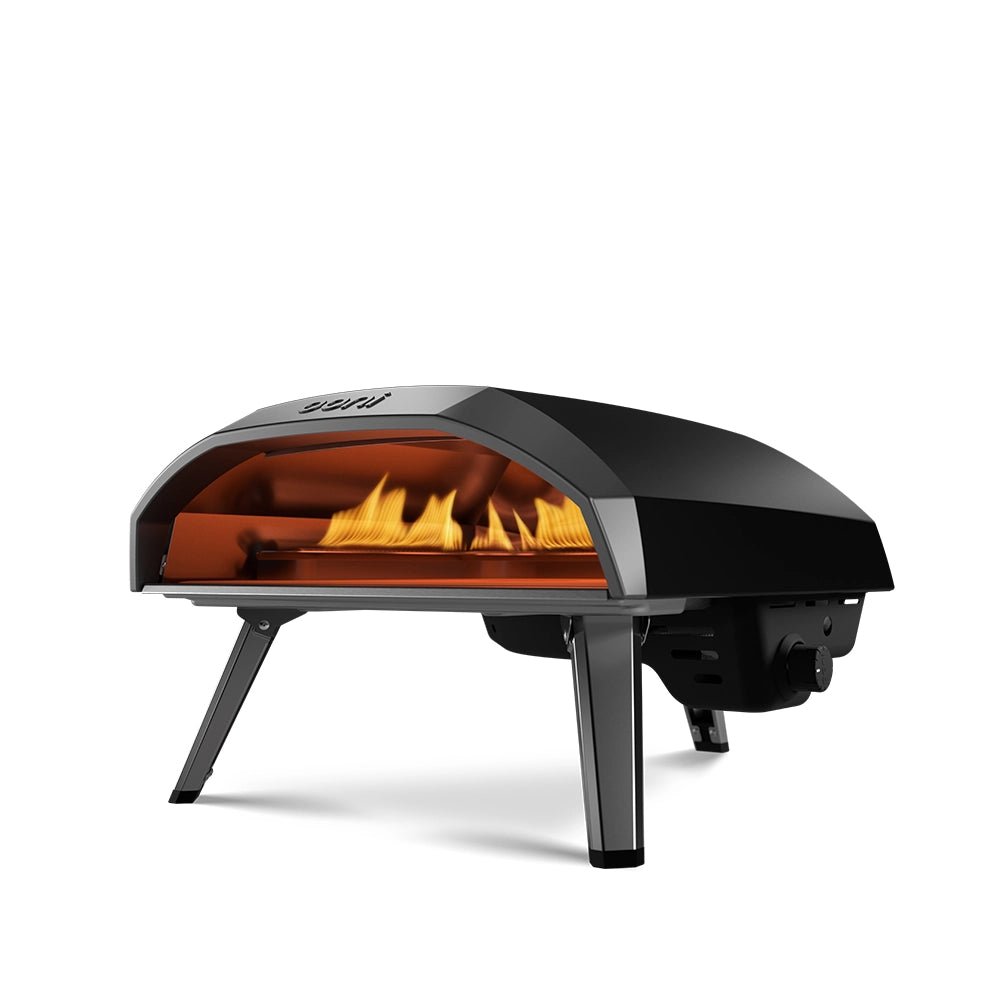
This Ooni Karu 16 review is based on extended real-world use across multiple fuel types. The Ooni Karu 16 is Ooni’s flagship oven and the one that gets closest to a restaurant-quality result at home. It is large, heavy, and expensive. It also cooks the best pizza in Ooni’s lineup by a noticeable margin, and on wood it produces results I didn’t think were achievable outside of a professional kitchen. I’ve been running mine for the better part of a year across wood, charcoal, and gas cooks.
Here is my detailed take after extended real-world use.
What Is the Ooni Karu 16?
The Karu 16 is the largest oven in Ooni’s portable range. It has a 16-inch (40 cm) cordierite stone, runs on wood, charcoal, or gas (with the optional gas burner), and reaches up to 930°F. The 16-inch stone means you can cook properly sized Neapolitan pizzas – 12 to 14 inches – with room to manoeuvre the turning peel without constantly brushing the sides of the door.
It’s marketed as portable, and technically it is – the legs fold up and it can be moved. In practice at around 18 kg, it’s the kind of oven you set up in the backyard and leave there rather than loading into the car every weekend.
Key Specs
- Cooking area: 40 x 40 cm (16-inch) stone
- Fuel: wood, charcoal, or gas (gas burner sold separately, approximately $89)
- Max temperature: 930°F / 932°F
- Preheat time: 15 minutes (gas), 25 to 30 minutes (wood)
- Weight: approximately 18.3 kg
- Price: approximately $799 to $799
What It’s Actually Like to Cook On
My first wood cook on the Karu 16 was the session that made me understand what all the fuss about wood-fired pizza is actually about. I’d been cooking on gas ovens for a year, getting consistently good results, and I thought I understood what a great home pizza tasted like. I was wrong. The wood-fired cook added a depth of flavor to the crust – a subtle smokiness and a char that’s different from the straight carbon you get from gas – that changed my reference point entirely.
Getting to that point takes a bit of work. Wood cooking in the Karu 16 requires you to feed the fire regularly during the preheat – every few minutes with small pieces of hardwood, gradually building to a sustained temperature. The oven has a thermometer built into the door, but I found an infrared thermometer essential for checking the stone temperature accurately. Once the stone is reading 430 to 860°F, you’re ready.
The 16-inch stone makes launching and turning significantly easier than on smaller ovens. I use a 12-inch turning peel inside the oven and there’s enough room to rotate without the peel catching on the door frame. On my Koda 12, that was a constant problem. The extra space sounds like a minor thing until you’ve pulled a pizza onto the stone at an angle and had to rescue it under a 840°F dome.
On gas, the Karu 16 is equally good. The gas burner (purchased separately) clips on in place of the wood fuel tray and gives you consistent, controllable heat with a 15-minute preheat. I use gas for midweek cooks and wood for weekend sessions when I want the flavor and have time for the process. Both modes deliver excellent results.
What the Karu 16 Does Particularly Well
The larger stone is the headline improvement over smaller ovens. Cooking for a family or a group is genuinely more manageable – you can cook proper 13 to 14-inch pizzas and get through five or six in a session without the constant pauses for the stone to recover. On smaller ovens, cooking for four people can feel like a relay race.
Heat retention is excellent. Once the Karu 16 is up to temperature, it holds it well between pizzas. The ceramic fibre insulation does its job – opening the door to launch a pizza doesn’t cause the dramatic temperature drop you notice on lighter-built ovens.
The glass door panel lets you see what’s happening inside without opening the door, which matters more than it sounds. Checking on a pizza through the glass means you can decide when to rotate without committing to opening the door and losing heat.
What to Watch Out For
The weight is real. At 18 kg it’s manageable, but it’s not something you’ll casually move around. If you want an oven that travels easily, the Karu 16 is not it. It’s better thought of as a garden oven that happens to be technically moveable rather than a genuinely portable option.
Wood cooking requires practice and active management. The fire doesn’t run itself – you’re adding wood every few minutes during the cook and monitoring the temperature. That’s part of the appeal for many people, but if you want simplicity above all else, the gas burner attachment is worth buying alongside the oven.
The price, including the gas burner if you want flexibility, puts this above $750 to $800 total. That’s a significant spend. It’s justified if you’re going to use the oven regularly, but not if you’re still deciding whether pizza oven cooking is for you.
Verdict
The Ooni Karu 16 is the best oven Ooni makes and one of the best pizza ovens available at any price for home use. The 16-inch stone transforms the cooking experience compared to 12-inch ovens, the wood-fired results are exceptional, and the build quality is solid throughout. If you’re serious about making great pizza at home and want an oven you’ll still be cooking on in ten years, this is the one to buy.
Related reading
Gear mentioned in this article (paid links)
If you’re deciding between gas-only convenience and multi-fuel flexibility, our Ooni Koda 16 vs Karu 16 comparison breaks down whether the $300 premium is worth it.

About Ian Armstrong
I'm Ian Armstrong, a home cook and pizza oven obsessive based in the UK. Over the past four years I've owned and cooked on a Gozney Roccbox, Ooni Karu, Ooni Koda, and Gozney Arc — putting each one through real-world use in my back garden across all seasons, not just ideal summer conditions. I test dough hydration, preheat times, fuel efficiency, and how each oven handles everything from Neapolitan pizza to sourdough bread and Sunday roasts. Everything on Wood Fired Pizza Gear comes from hands-on experience. No sponsored placements, no guesswork — just honest assessments from someone who's burned a lot of dough getting it wrong so you don't have to.