Last updated: August 31, 2026
Last updated: August 2026.
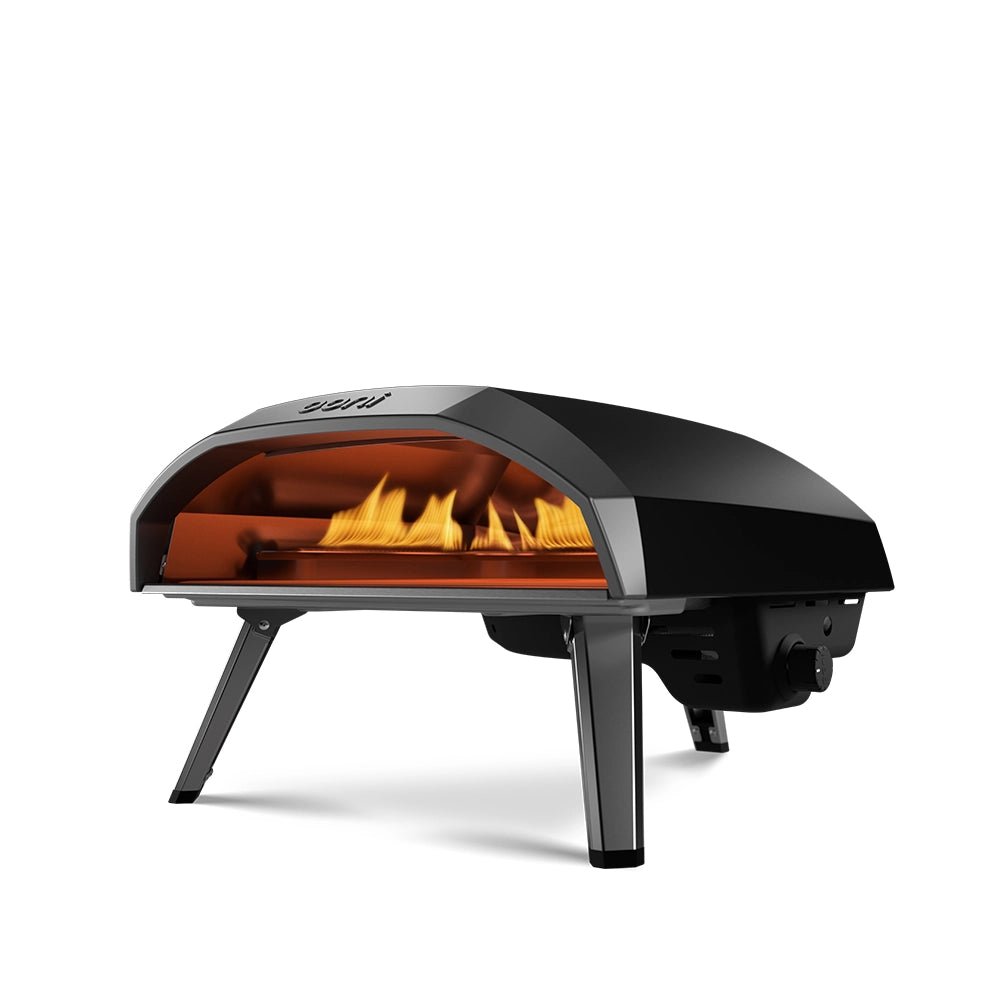
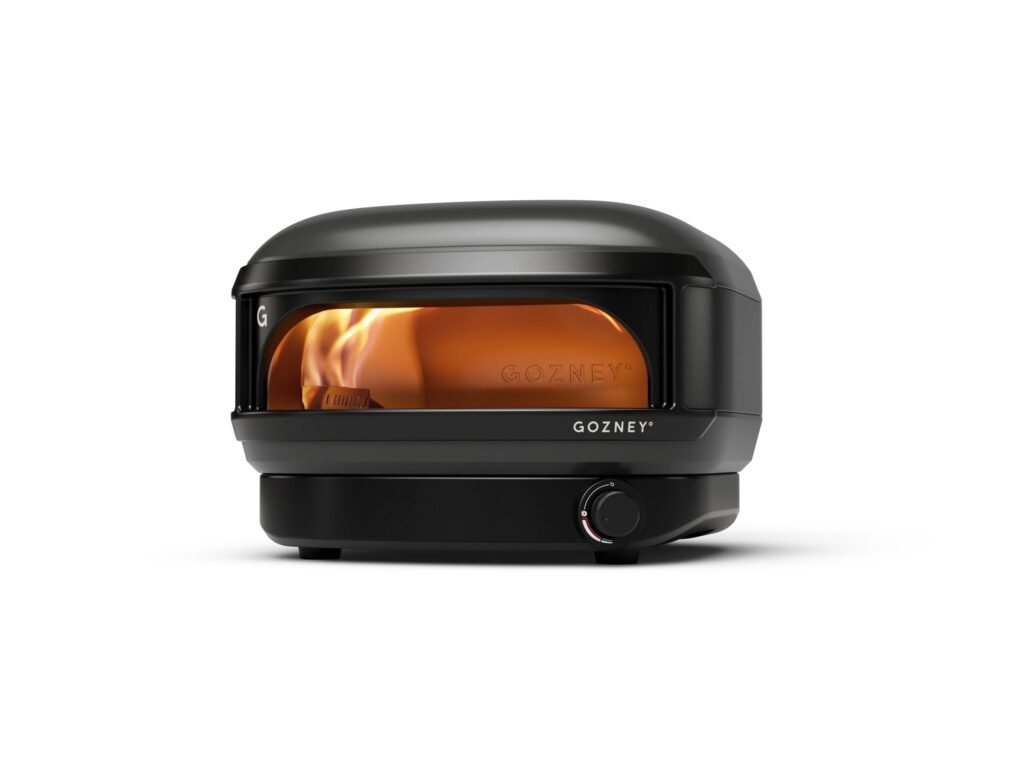
I’ve used both the Gozney Arc and the Ooni Koda 2, and they’re closer than most comparisons suggest — until you dig into the details that actually matter. Here’s my honest breakdown.
The Gozney Arc and the Ooni Koda 2 are the two ovens most people end up choosing between. Both are gas-powered, both cook 12-inch pizzas, both sit in the $300 to $350 range, and both are made by the two brands that dominate the portable pizza oven market. On paper they look almost identical. In practice they feel quite different to cook on.
This comparison is based on our hands-on experience with both ovens. If you want the full picture on either one, read our Gozney Arc review and our Ooni Koda 2 review in full.
Specs at a glance
| If you… | Buy the… |
|---|---|
| Want the best value for money | Ooni Koda 2 |
| Are a complete beginner | Gozney Arc |
| Want to make larger pizzas | Gozney Arc |
| Plan to move the oven regularly | Ooni Koda 2 |
| Want the most forgiving flame | Gozney Arc |
| Already own an infrared thermometer | Either — but slight edge to Koda 2 |
Price
The Koda 2 wins on price — it typically sits around $299 while the Arc runs closer to $350. That $50 difference is not nothing, especially when both ovens do essentially the same job. If budget is tight, the Koda 2 is the more sensible starting point.
Flame design and heat distribution
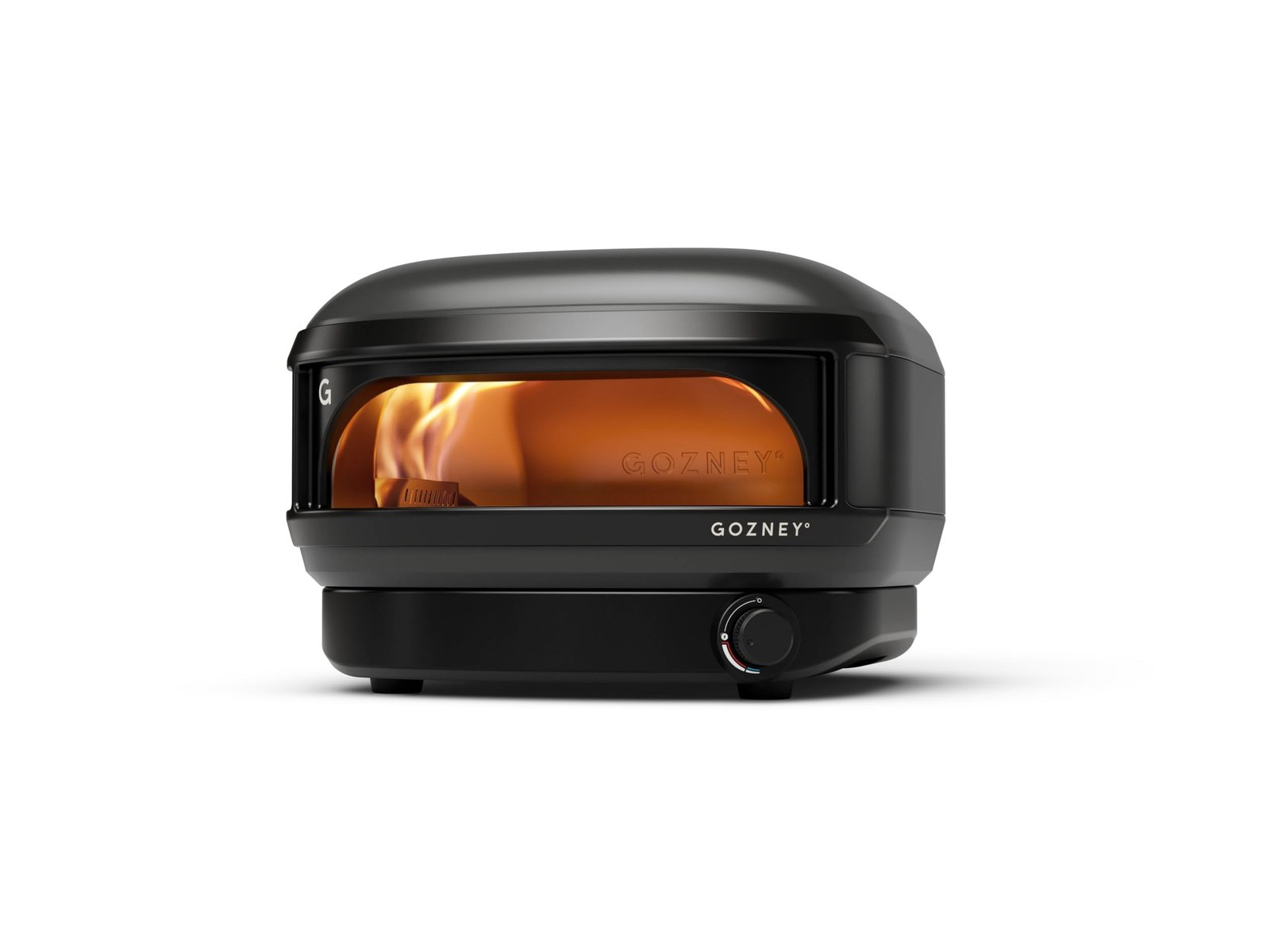
This is where the two ovens differ most meaningfully. The Arc uses a lateral rolling flame that wraps around the inside of the oven from the back. It creates a very even heat distribution and is forgiving if you don’t rotate the pizza perfectly on time — the rolling flame catches all sides relatively evenly.
The Koda 2 uses Ooni’s dual-zone L-shaped flame, which runs along the back and one side. It’s an improvement over the original single-burner Koda 16 design and gives more even coverage than older Ooni models, but you still need to rotate the pizza regularly or the back will overcook before the front catches up.
For beginners, the Arc’s rolling flame is noticeably more forgiving. For experienced cooks who are comfortable with rotation, the difference matters less.
Pizza size
The Arc can fit a 14-inch pizza; the Koda 2 tops out at 12 inches. For Neapolitan-style pizzas, 12 inches is absolutely standard and most people never feel limited by it. If you want to make bigger New York-style or Roman-style pizzas, the Arc’s extra space is genuinely useful.
Built-in thermometer
The Arc has a built-in stone thermometer on the front panel — you can see the stone temperature without opening the oven. It’s a small thing but it removes one of the most common beginner mistakes: launching a pizza before the stone is hot enough.
The Koda 2 has no built-in thermometer. You’ll need a separate infrared thermometer to check stone temperature, which adds about $20-30 to the cost. It’s worth buying either way, but with the Arc you get it built in.
Weight and portability
The Koda 2 is noticeably lighter at 9.25kg versus the Arc’s 12.8kg. If you plan to move your oven around frequently — take it to a friend’s garden, pack it for a trip — the Koda 2 is the easier oven to carry. Both fit in a car boot without drama, but the Koda 2 is the one you’ll actually want to move regularly.
Build quality and design
Both ovens are well-made. Gozney leans into a premium aesthetic — the Arc has a clean, purposeful design with a wide mouth opening that makes launches easier. Ooni’s Koda 2 is similarly solid, with a slightly more utilitarian look.
The Arc’s wider opening (around 14 inches across) makes it easier to manoeuvre a pizza peel inside the oven, particularly useful for beginners who haven’t yet nailed their launch technique. The Koda 2’s opening is narrower and requires a cleaner launch action.
Ease of use
The Arc is the easier oven to learn on. The rolling flame, wider mouth, built-in thermometer, and forgiving heat distribution all point in the same direction: this oven is designed to make your first few cooks go well. If you’re buying your first pizza oven and want results quickly without a steep learning curve, the Arc is the better pick.
That’s not to say the Koda 2 is difficult — it isn’t. Ooni is a mature, well-documented product with a huge community and plenty of guides. But it does reward the extra attention that comes with a bit more experience.
Which should you buy?
Both are excellent ovens. The Arc is more polished and more beginner-friendly; the Koda 2 gives you slightly more oven for slightly less money and is easier to move around. Neither choice is wrong — it comes down to whether you prioritise ease of learning or value.
Also worth considering: if you want multi-fuel capability (wood, charcoal, and gas), neither of these is the right oven — look at the Ooni Karu 2 instead. Or if you want the definitive gas oven with the most cooking space, the Ooni Koda 16 is worth a look.
Whatever you go for, pair it with a good pizza oven table and the right accessories and you’ll be making great pizza from the first cook.
Ooni Koda 2 on Amazon → | Gozney Arc at gozney.com →
Frequently Asked Questions
Is the Gozney Arc better than the Ooni Koda 2?
For beginners, yes. The Arc’s rolling flame is more forgiving than the Koda 2’s L-shaped burner, the built-in stone thermometer removes a common mistake, and the wider mouth makes launching easier. For experienced cooks who already know how to manage rotation and stone temperature, the Koda 2 is the better value at around $50 less. The Arc is the better oven to learn on; the Koda 2 is the better deal once you know what you’re doing.
What is the difference between the Gozney Arc and Ooni Koda 2?
The main differences are flame design, size, and price. The Arc uses a lateral rolling flame that creates very even heat — forgiving if you don’t rotate perfectly. The Koda 2 uses an L-shaped dual-zone flame that covers more of the oven than older Ooni models but still requires regular rotation. The Arc takes a 14-inch pizza versus 12 inches on the Koda 2, has a built-in stone thermometer, and costs around $50 more. The Koda 2 is lighter at 9.25kg versus the Arc’s 12.8kg and easier to move around.
Is the Gozney Arc worth the extra money over the Koda 2?
If you’re a first-time buyer, yes. The built-in thermometer alone saves you $20-30 on a separate infrared thermometer, and the easier cooking experience means you’ll get good results faster. If you’ve cooked on a pizza oven before and don’t need the extra hand-holding, the Koda 2 at around $299 gives you a capable oven for less. The Arc earns its price through features that genuinely help beginners — if you’re past that stage, the premium matters less.
How does the Gozney Arc compare to the Arc Lite?
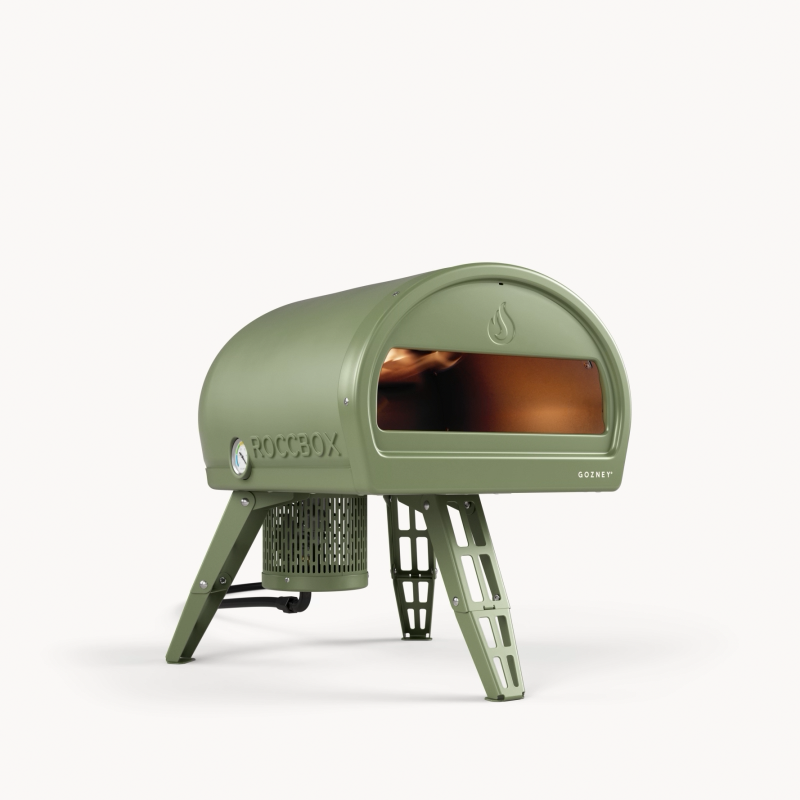
The Arc Lite is Gozney’s smaller, more portable version of the Arc. It has a 12-inch stone versus the Arc’s 14-inch, weighs less, and costs less — putting it in more direct competition with the Koda 2 on both size and price. The Arc Lite keeps the rolling flame design and the beginner-friendly approach of the full Arc but in a more compact package. If portability matters and you don’t need the larger stone, the Arc Lite is worth comparing directly to the Koda 2. See also our Gozney Arc vs Roccbox comparison for how the Arc stacks up against Gozney’s own portable oven.
Frequently Asked Questions
Is the Gozney Arc better than the Ooni Koda 2?
For beginners, yes. The Arc’s rolling flame is more forgiving than the Koda 2’s L-shaped burner, the built-in stone thermometer removes a common mistake, and the wider mouth makes launching easier. For experienced cooks who already know how to manage rotation and stone temperature, the Koda 2 is the better value at around $50 less. The Arc is the better oven to learn on; the Koda 2 is the better deal once you know what you’re doing.
What is the difference between the Gozney Arc and Ooni Koda 2?
The main differences are flame design, size, and price. The Arc uses a lateral rolling flame that creates very even heat — forgiving if you don’t rotate perfectly. The Koda 2 uses an L-shaped dual-zone flame that requires regular rotation. The Arc takes a 14-inch pizza versus 12 inches on the Koda 2, has a built-in stone thermometer, and costs around $50 more. The Koda 2 is lighter at 9.25kg versus the Arc’s 12.8kg and easier to move around.
Is the Gozney Arc worth the extra money over the Koda 2?
If you’re a first-time buyer, yes. The built-in thermometer alone saves you $20-30 on a separate infrared thermometer, and the easier cooking experience means you’ll get good results faster. If you’ve cooked on a pizza oven before, the Koda 2 at around $299 gives you a capable oven for less. The Arc earns its price through features that genuinely help beginners — if you’re past that stage, the premium matters less.
How does the Gozney Arc compare to the Arc Lite?
The Arc Lite is Gozney’s smaller, more portable version. It has a 12-inch stone versus the Arc’s 14-inch, weighs less, and costs less — putting it in more direct competition with the Koda 2 on both size and price. It keeps the rolling flame and beginner-friendly approach of the full Arc in a more compact package. See also our Gozney Arc vs Roccbox comparison.
Gear mentioned in this article (paid links)
Real-world cooking performance
On paper both ovens are rated to 500°C. In practice the Arc reaches that temperature in around 15 minutes and holds it steadily. The Koda 2 is slightly quicker to heat — closer to 12 minutes — and its U-shaped burner does a good job distributing heat evenly across the stone.
Where I noticed a real difference was in the first few cooks. The Arc’s overhead curved flame bathes the top of the pizza in heat from above, which means you get a better char on the crust without having to rotate as frequently. With the Koda 2 I found myself rotating every 20 seconds or so to avoid scorching the side nearest the burner — standard for this style of oven, but it takes more attention.
Both ovens produce excellent Neapolitan-style pizza at full temperature. If you’re cooking at lower temps (say 350-400°C) for a longer, more New York-style bake, the Arc is more forgiving because the overhead flame keeps the top cooking evenly. The Koda 2 works better when you push it to full temperature and cook fast.
For more on dialing in the right temperature, see our pizza oven temperature guide.
What you’ll need to buy separately
Neither oven comes with everything you need out of the box. Here’s what to budget for on top of the oven price.
Ooni Koda 2: You’ll need a pizza peel (budget $30-50 for a decent 12-inch metal peel), and strongly recommend an infrared thermometer since there’s no built-in temperature gauge. That’s roughly $25-55 in extras before your first cook. Ooni’s own accessories are good but expensive — third-party options work just as well for the basics.
Gozney Arc: The built-in thermometer saves you $25 right there. You still need a peel, same as the Koda 2. The Arc’s wider mouth makes it slightly more compatible with larger peels, which can make your life easier if you graduate to 14-inch pizzas down the line (even though the stone only fits 12-inch).
For a full rundown on what accessories are actually worth buying, see our pizza oven accessories guide.
Who should NOT buy each oven
Skip the Gozney Arc if: you plan to move your oven regularly. At 28 lbs it’s noticeably heavier than the Koda 2 and doesn’t fold down flat for transport. It’s an outdoor oven that stays in one place. Also skip it if budget is tight — at $349 vs $299 the difference is only $50, but the accessories you’ll still need to buy eat into that.
Skip the Ooni Koda 2 if: you’re a complete beginner who doesn’t want to think about rotating. The narrower opening and rear burner mean hot spots are a real thing during the learning curve. You’ll make more mistakes launching your first few pizzas too — the Arc’s wider mouth is genuinely more forgiving. Also skip the Koda 2 if you want a built-in thermometer, because you’ll be buying one anyway and you might as well get the oven that has one built in.
If you’re considering a multi-fuel option that handles both wood and gas, our Karu 2 vs Karu 12 comparison is worth a read before you decide.
Value for money
On pure price the Koda 2 wins at $299 vs $349 for the Arc. But factor in a thermometer ($25) and you’re at $324 for the Koda 2 setup vs $349 for the Arc — a $25 difference for an oven that’s heavier and has a more beginner-friendly design. That’s a close call.
Where the Arc earns its price is in long-term satisfaction. In our experience, beginners who start on the Arc tend to stick with pizza making longer because early results are more consistent. The Koda 2 has a steeper learning curve that can put people off in the first few cooks. If you’re buying as a gift for someone just getting started, the Arc is the safer choice.

About Ian Armstrong
I'm Ian Armstrong, a home cook and pizza oven obsessive based in the UK. Over the past four years I've owned and cooked on a Gozney Roccbox, Ooni Karu, Ooni Koda, and Gozney Arc — putting each one through real-world use in my back garden across all seasons, not just ideal summer conditions. I test dough hydration, preheat times, fuel efficiency, and how each oven handles everything from Neapolitan pizza to sourdough bread and Sunday roasts. Everything on Wood Fired Pizza Gear comes from hands-on experience. No sponsored placements, no guesswork — just honest assessments from someone who's burned a lot of dough getting it wrong so you don't have to.