Last updated: August 12, 2026
Last updated: August 2026.
We’ve cooked extensively on both gas and wood-fired ovens. Each has genuine advantages. This comparison is based on actual use rather than marketing claims.
We’ve cooked extensively on both gas and wood-fired ovens. Each has genuine advantages. This comparison is based on actual use rather than marketing claims.
This gas vs wood pizza oven comparison breaks down the key differences so you can decide with confidence.
The gas vs wood debate is one of the most common questions new pizza oven buyers have — and the honest answer is that both can produce excellent pizza. They just produce it differently, and which is right for you depends on what you actually want from the experience.
The quick answer
Gas is easier, faster to set up, more consistent, and better for beginners. Wood gives you more flavor depth, more theatre, and more satisfaction — but it requires more skill and attention. If you are buying your first oven, gas is the sensible starting point. If you love cooking over fire and want the authentic experience, wood is worth the extra effort.
Gas pizza ovens
Pros
- Consistent temperature. Turn a dial, wait 20 to 30 minutes, cook. The flame stays at whatever level you set it and the stone temperature is predictable from one cook to the next.
- Faster preheat. Most gas ovens reach cooking temperature in 20 to 30 minutes. Wood typically takes 45 minutes to an hour to fully saturate the stone.
- Less attention required. You can focus entirely on the pizza rather than managing a fire at the same time.
- Cleaner. No ash to clean out, no smoke, no sparks. Better for gardens where neighbors are close.
- Lower learning curve. Gas is the right starting point for most people, which is why we recommend it in our beginner pizza oven guide.
Cons
- No smoky flavor. Gas gives you a clean, neutral cook. Some people don’t notice the difference; others find the lack of smoke a dealbreaker.
- Running cost. Propane gas canisters cost more per cook than a bag of kiln-dried logs, though the difference is not dramatic for occasional home use.
- Less atmosphere. There is something about cooking over a live fire that gas simply can’t replicate.
Best gas pizza ovens
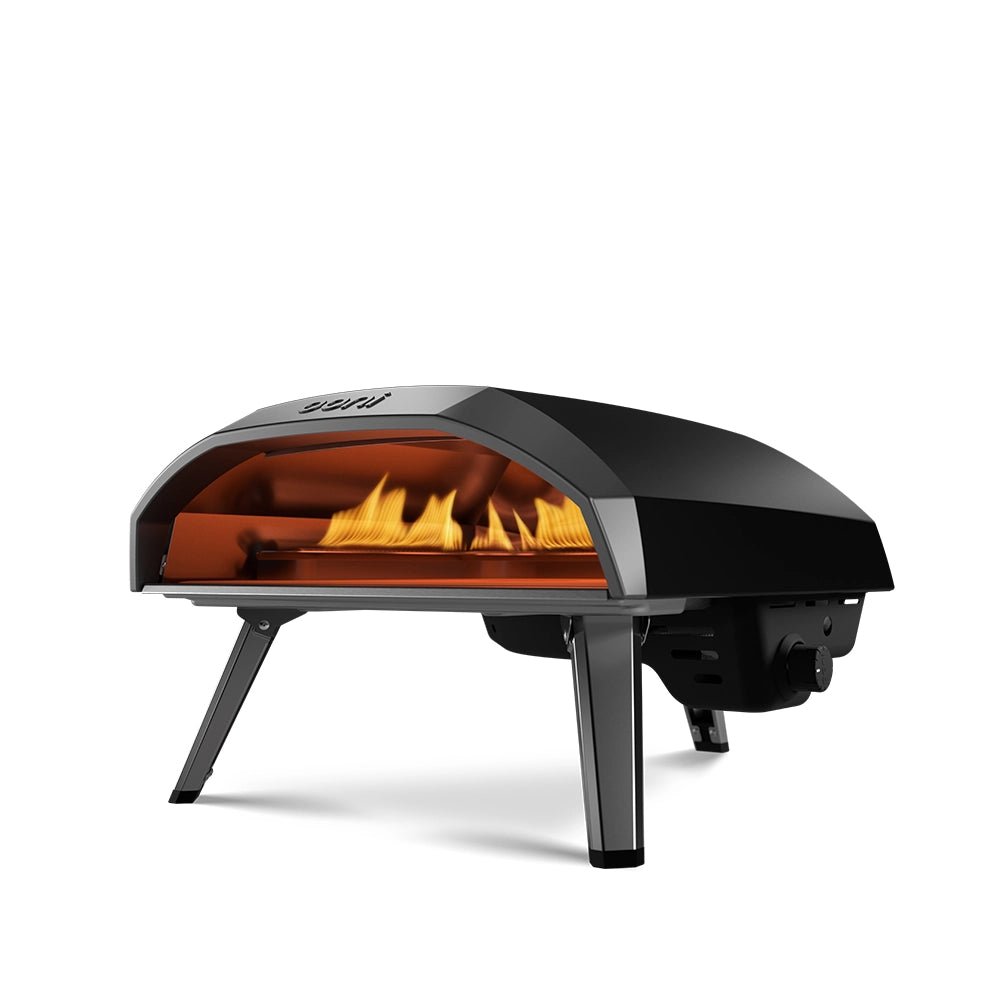
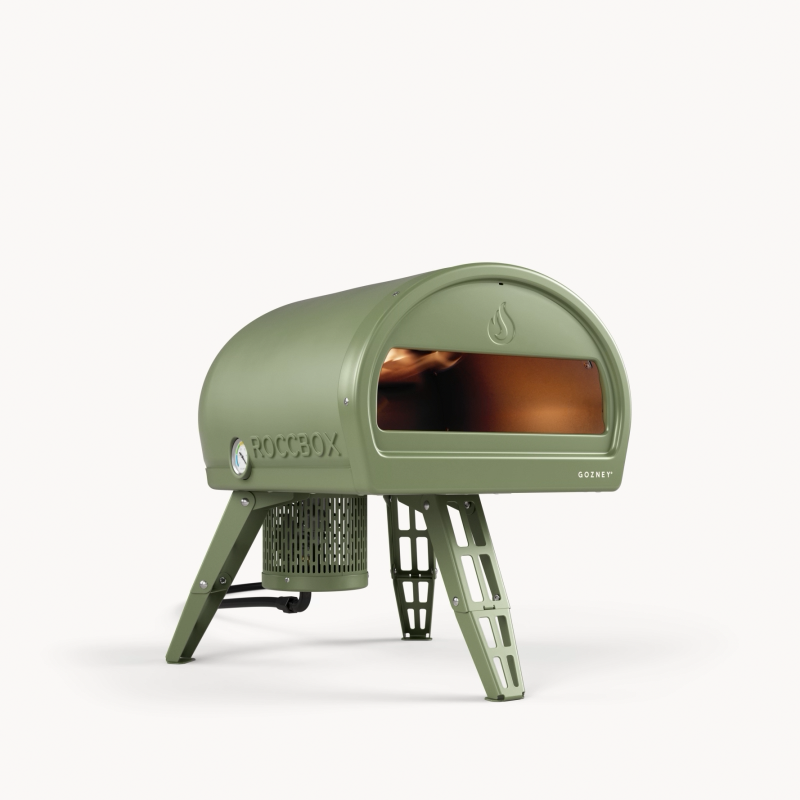
The two I recommend most are the Ooni Koda 2 (best value, ~$299) and the Gozney Arc (most forgiving for beginners, ~$350). For a head-to-head, see our Gozney Arc vs Ooni Koda 2 comparison. If you need more cooking space, the Ooni Koda 16 handles 16-inch pizzas.
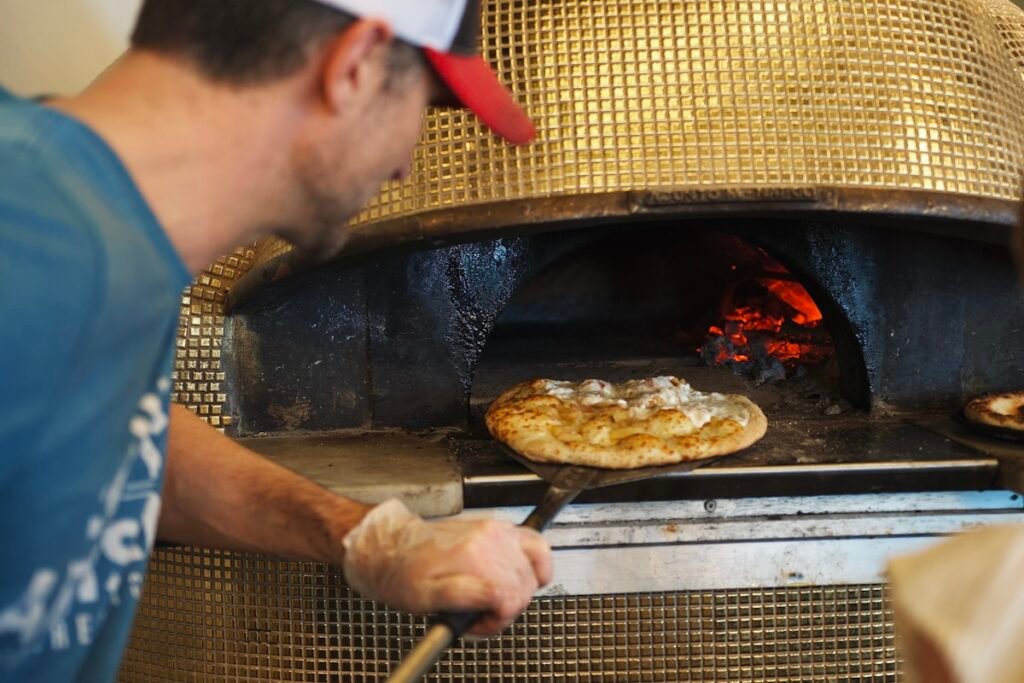
Wood-fired pizza ovens
Pros
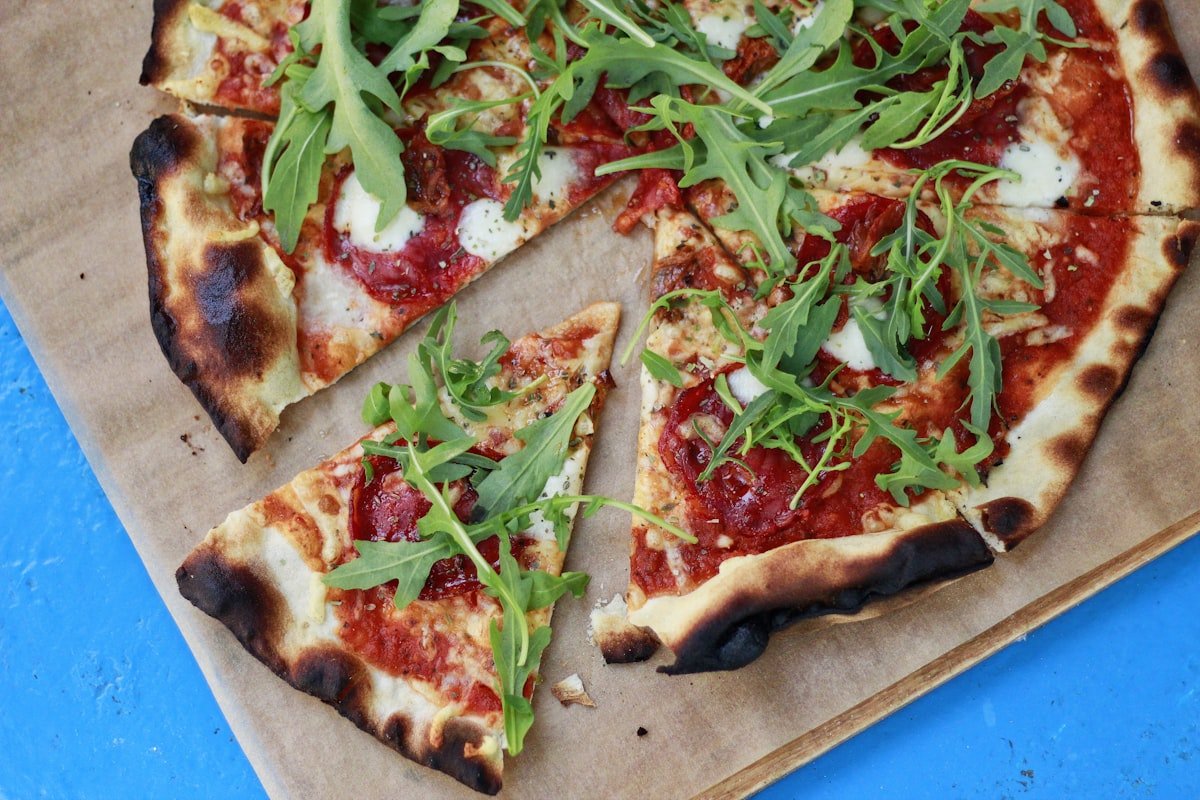
- Flavor. Wood smoke adds a subtle complexity to the crust and toppings that gas cannot reproduce. It is not overwhelming — a good wood-fired pizza doesn’t taste smoky — but it adds a depth that experienced pizza eaters notice immediately.
- Higher peak temperatures. A well-managed wood fire can push a small oven beyond 930°F, producing an even faster cook and more aggressive charring on the crust.
- The experience. Building and managing a fire, reading the flames, the smell of burning hardwood — for many people this is the whole point. It is more involved, and that involvement is part of the enjoyment.
- Fuel flexibility. You can use different wood types to slightly influence the flavor. See our guide on what wood to use in a pizza oven.
Cons
- Longer preheat. 45 minutes to an hour is typical. You need to plan ahead and start the fire well before guests arrive.
- More to manage. You are running a fire and cooking a pizza simultaneously. Temperature fluctuates as wood burns down and you need to keep adding fuel.
- Ash and cleanup. Not a lot of work, but more than gas.
- Smoke. Less suitable if you live in a densely populated area or have close neighbors. Kiln-dried hardwood produces minimal smoke, but it is not zero.
- Steeper learning curve. Getting consistent results on wood takes more practice. See our guide to lighting a wood-fired pizza oven.
Best wood-fired pizza ovens
The Ooni Karu 2 is the best multi-fuel portable oven — it runs on wood, charcoal, or gas (with an attachment), which gives you the flexibility to use whichever fuel suits the occasion. The Gozney Roccbox is primarily a gas oven but accepts a wood burner attachment if you want both options. For a full breakdown, see our best wood-fired pizza ovens guide.
Does wood actually taste better?
Honestly, the difference is subtler than most people expect. In a high-temperature cook of 60 to 90 seconds, there is not a lot of time for smoke to penetrate the dough. The biggest flavor contributors are the dough itself (fermentation time, flour quality), the sauce (tomato quality), and the toppings. A great pizza made in a gas oven will beat a mediocre pizza made in a wood oven every time.
That said, experienced pizza eaters can usually distinguish wood-fired from gas-fired. The difference is real — just not as dramatic as some wood oven advocates claim. The more significant advantage of wood is the experience of cooking over a live fire, not the flavor outcome alone.
What about multi-fuel ovens?
Multi-fuel ovens like the Ooni Karu 2 give you the best of both worlds — start on gas for a quick weeknight cook, switch to wood when you want the full experience. The gas attachment costs extra but it’s worth having. See our Ooni Karu 2 review for more detail.
Summary
| Gas | Wood | |
|---|---|---|
| Ease of use | Excellent | Moderate |
| Preheat time | 20-30 mins | 45-60 mins |
| Temperature consistency | Excellent | Moderate |
| Flavor | Clean, neutral | Slight smoke depth |
| Cleanup | Minimal | Ash to clear |
| Experience | Simple, focused | More involved, more rewarding |
| Best for | Beginners, weeknight cooks | Enthusiasts, occasions |
Not sure which oven to buy? Start with our guide to the best pizza ovens for beginners, or see the full Ooni vs Gozney brand comparison if you have narrowed it down to those two brands.
Ooni Koda 12 on Amazon → | Ooni Karu 2 on Amazon →
Gear mentioned in this article (paid links)

About Ian Armstrong
I'm Ian Armstrong, a home cook and pizza oven obsessive based in the UK. Over the past four years I've owned and cooked on a Gozney Roccbox, Ooni Karu, Ooni Koda, and Gozney Arc — putting each one through real-world use in my back garden across all seasons, not just ideal summer conditions. I test dough hydration, preheat times, fuel efficiency, and how each oven handles everything from Neapolitan pizza to sourdough bread and Sunday roasts. Everything on Wood Fired Pizza Gear comes from hands-on experience. No sponsored placements, no guesswork — just honest assessments from someone who's burned a lot of dough getting it wrong so you don't have to.